
Interior Lighting Design Guide: Architect Lighting Concepts & 6 Essential Indoor Lighting Fixtures

I . Introduction
In the planning of contemporary residential and commercial spaces, lighting is no longer merely a tool for providing brightness. Instead, it has become an essential design element that profoundly influences spatial atmosphere, visual layers, and overall quality of life. Excellent interior lighting design can reshape spatial proportions, enhance emotional ambiance, and even transform an otherwise ordinary environment into one with completely different texture and character. In many impressive interior design projects, the most captivating aspect is often not the decoration materials themselves, but how light interacts with spatial structure, material textures, and human activities to create a holistic spatial experience.
As the interior design industry continues to mature, lighting design has gradually evolved from a supporting element into a specialized field. Whether in residential spaces, retail stores, hotel architecture, or exhibition venues, lighting planning directly affects users’ perception and spatial functionality. Without a comprehensive lighting design strategy, even the use of expensive materials and furniture cannot easily achieve the desired visual effect or spatial depth.
Throughout the historical development of architecture and interior design, many world-renowned architects have consistently regarded light as a core element of design. For them, light is not simply the result produced by lighting fixtures, but an important medium capable of shaping the spirit of a space and the soul of architecture. By precisely controlling the direction, intensity, and transformation of light and shadow, architects can create spatial experiences filled with emotion and narrative.
Therefore, this article begins with the lighting concepts of world-famous architects, guiding readers to understand the core value of lighting design in interior design while further analyzing the key principles that must be mastered when planning lighting. At the same time, it will introduce common types of indoor lighting and their applications, helping readers establish a more comprehensive and professional lighting design mindset when carrying out interior design or spatial planning.

Indoor Lighting / Home Lighting — Professional LED Lighting Manufacturer and Supplier
Home Lighting Selection Guide: Light Fixture Types and Specifications for Designers!
II. Lighting Design Concepts of World-Renowned Architects
1. Tadao Ando: The Poetics of Light and Shadow in Natural Light and Minimalist Architecture
When discussing the relationship between architecture and light, Japanese architect Tadao Ando is often one of the most representative names. His architectural works are famous for their minimalist approach, featuring extensive use of exposed concrete, simple geometric structures, and pure spatial proportions, while light becomes one of the most critical elements in the overall design.
In Tadao Ando’s architectural concepts, light is not decoration added to the surface of a building but an essential material that works together with the architectural structure to shape space. He often designs precise openings, window voids, and wall cuts that allow natural light to change throughout different times of the day, enabling the space to display different expressions as time flows. Such design makes architecture seem almost alive, while light and shadow become the most moving elements within the space.
This concept translates into an important concept in interior lighting design: the quality of light is more important than the quantity of light. Ando-style lighting emphasizes the contrast between light and shadow, allowing shadows to remain in order to highlight the presence of light. When applied to interior design, designers often prefer concealed light sources and indirect lighting so that light appears to naturally flow from the architectural structure rather than being dominated by the form of lighting fixtures.
In the famous “Church of the Light,” a cross-shaped opening in the wall allows natural light to enter the interior directly, creating a highly symbolic light and shadow effect. When sunlight passes through the wall and projects into the interior, the entire space appears to be reshaped by light, presenting a sacred and tranquil atmosphere. This design almost completely avoids decorative elements, relying solely on light and architectural structure to express powerful spiritual meaning.
From the perspective of interior design and lighting design, Tadao Ando’s work reminds us that light itself is a material that can be designed and sculpted. Whether natural light or artificial lighting, when used appropriately, it can become a crucial medium for shaping spatial atmosphere.

2. Peter Zumthor: A Sensory Dialogue Between Light and Materials
Another architect with profound influence in the field of lighting design is Swiss architectural master Peter Zumthor. His architectural works are often described as spaces rich in sensory experiences, with light playing an indispensable role.
Peter Zumthor places great emphasis on the interaction between light and materials. In his design concepts, light reveals the true texture of materials, allowing people to clearly perceive the details and patterns of stone, wood, concrete, or metal surfaces. When light falls on different materials, it creates subtle yet rich variations, adding depth and emotional expression to space.
In the famous Therme Vals spa, the entire architecture is constructed largely with stone, while light enters the space naturally through skylights and wall openings. Soft light slowly flows across the stone surfaces, creating a calm and healing atmosphere. When people are immersed in this environment, they not only experience the architectural scale but also gain deep sensory perception through the interplay of light, shadow, and material textures.
For interior design and interior lighting design, Peter Zumthor’s concepts reminds designers that lighting planning must consider spatial materials, light direction, and illumination intensity simultaneously. Only when light forms a harmonious interaction with materials can a space truly reveal a delicate and textured atmosphere.

III. Three Essential Concepts to Understand Before Lighting Design
1. Why Lighting Design Is So Important in Interior Design
When people undertake interior design projects, they often focus their attention on decoration styles, furniture selection, and decorative materials. However, the first impression people receive from a space usually comes from the environment created by light. Lighting design not only affects the brightness of a space but also determines its overall depth and comfort.
When a space relies on only a single light source, the environment often appears flat and lacking depth. However, when designers combine different types of indoor lighting and carefully arrange the positions and brightness of light sources, the space can develop rich layers of light and shadow, making the entire interior design more dimensional and visually refined.
Lighting design is also closely related to quality of life. A well-designed lighting environment can reduce eye fatigue, improve work efficiency, and allow residents to feel more relaxed and comfortable within a space. Therefore, in modern architecture and interior design, lighting design has become an essential planning element that cannot be ignored.

2. How to Establish a Complete Lighting Design Framework
When designing lighting, the first step is to understand the actual functional needs of the space. Different spaces serve different purposes. For example, a living room usually needs to support social interaction, entertainment, and relaxation, while a dining room emphasizes dining ambiance, and a study requires stable and sufficient lighting for reading.
Professional architects and interior designers often establish a comprehensive lighting environment through the concept of layered lighting. This method divides lighting into three levels: ambient lighting, accent lighting, and task lighting, allowing the space to balance functionality and atmosphere.
At the same time, lighting layouts often incorporate the concept of high-position lighting, mid-position lighting, and low-position lighting. High-position lighting typically consists of recessed downlights, pendant lights, ceiling lights, or ceiling indirect lighting, and mainly provides overall brightness for the space. Mid-position lighting includes dining pendant lights, wall lights, table lamps, and floor lamps, which are commonly used for localized ambiance and functional lighting. Low-position lighting includes step lights, skirting lights, and indirect lighting beneath furniture. These light sources enhance spatial layering and create a soft and refined atmosphere.
When light sources at different heights are combined, natural variations of light and shadow appear within the space, allowing interior design to achieve greater dimensionality and design depth.

Learn More: Accent, Functional, and General Lighting
3. How to Choose Suitable Indoor Lighting Fixtures for a Space
In lighting design, selecting appropriate indoor lighting fixtures is a key factor affecting the overall effect. This involves not only aesthetic considerations but also coordination between optical performance and spatial functionality.
The first factor to consider is the relationship between fixture size and spatial proportion. Architects usually determine fixture dimensions based on ceiling height, furniture scale, and viewing distance. If lighting fixtures are too large, they may create visual pressure in spaces with lower ceilings. Conversely, fixtures that are too small may result in insufficient lighting coverage, making the space appear fragmented and lacking cohesion.
Learn More: Lighting Size and Height Guide: Professional Specifications For Home Interiors!
Color temperature is another important factor influencing spatial atmosphere. In most residential environments, warm white light or natural light ranging from 3000K to 4000K is commonly used. This light color maintains comfort while providing clear visual performance. A 3000K color temperature appears warmer and softer, making it suitable for relaxing spaces such as bedrooms and dining rooms, while 4000K is brighter and fresher, suitable for living rooms, kitchens, and studies where higher concentration is required.
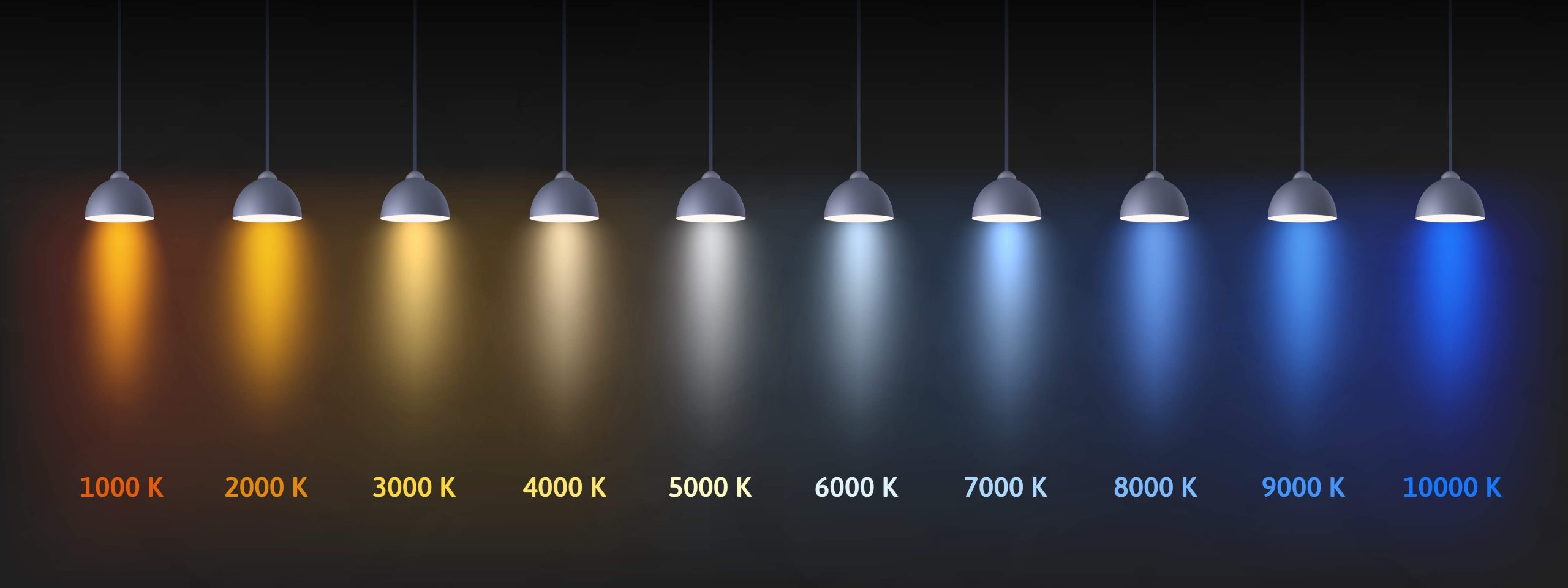
Learn More: Choosing The Right Color Temperature: An Designer’s Guide To Enhancing Your Home Lighting!
The color rendering index (CRI) of lighting fixtures is equally important. The higher the CRI, the closer the colors of objects appear to their natural state under light. High-quality interior design projects usually select lighting fixtures with a CRI above Ra90 to ensure that furniture materials, artworks, and food colors are accurately presented.

Learn More: CRI(Color Rendering Index)-Lighting terms and definitions
In addition, special attention must be paid to the protection rating of lighting fixtures in bathrooms, balconies, or other humid spaces. Fixtures with appropriate IP ratings can effectively prevent moisture from entering the internal components, extending the lifespan of the fixture and ensuring safety.
The beam angle of a lighting fixture determines how widely light spreads. Narrow beam angles are suitable for highlighting artworks or architectural details, while wider beam angles are better for ambient illumination or wall washing effects. By combining fixtures with different beam angles, designers can create rich layers of light and shadow within a space.
Finally, the design of lighting fixtures must align with the overall interior design style. Whether the style is minimalist, industrial, or modern luxury, lighting fixtures should be considered part of the architectural language. Only after comprehensively evaluating size proportions, color temperature, color rendering, and spatial style can the most suitable indoor lighting be selected.

IV. Introduction to Indoor Lighting Fixtures
In the practical planning of interior design, the selection of lighting fixtures is not only about providing illumination, but more importantly about presenting the beauty of architecture and interior spaces through the relationship between light and space. A well-balanced configuration of light and shadow can give a space greater depth and atmosphere. The following section analyzes six common and essential indoor lighting systems.
1. LED Recessed Downlights
LED recessed downlights are one of the most common and important lighting fixtures in modern interior design. These fixtures are installed in a recessed manner within the ceiling, featuring a clean and minimalist appearance without occupying visual space, allowing the ceiling surface to remain neat and flat. They are highly suitable as large-area general lighting for a space. For architects who pursue minimalist styles, recessed downlights are also an important tool for achieving the design concept of “seeing the light but not the fixture.”
In practical applications, they can be further divided into several professional types based on different functional requirements:
Anti-glare recessed downlights: Through deep-set light source designs or special reflector structures, these fixtures effectively control strong lateral light spill, significantly reducing glare stimulation to the eyes. This design allows the light to become softer and more comfortable, making it an important choice for creating high-quality lighting environments.
Waterproof downlights: Specifically designed for humid environments, these fixtures usually feature protective structures such as an IP44 rating. Therefore, they are commonly used in bathrooms, kitchens, or semi-outdoor balconies. Their sealed structure effectively prevents moisture from entering the interior of the fixture, ensuring electrical safety and extending the lifespan of the lighting equipment.
Full-spectrum recessed downlights: By simulating the complete spectrum of sunlight, these fixtures provide light quality that is closer to natural daylight. Full-spectrum light sources not only offer excellent color rendering but can also effectively reduce visual fatigue during long periods of use. For spaces such as study rooms, children’s rooms, or art studios that require accurate color recognition, they are a lighting choice that balances both health and functionality.
LED Downlights Ultimate Guide: Color Temperature, Wattage, Sizes, and Applications
Choosing Downlights Height And Size: Professional Specifications For Designers!
Downlight Buying Guide: Wattage, Sizes, Types, and Brightness Planning for Designers!


2. LED Linear Lighting Systems / LED Strip Lights
LED linear lighting systems and led strip lights are important tools for creating spatial layers in modern interiors and are frequently used in indirect lighting design. Designers usually conceal led strip lights within ceiling coves, wall grilles, cabinet interiors, or beneath furniture, allowing the light to reflect off walls or ceilings and spread softly and evenly throughout the space.
The boundaries of light and shadow created by this lighting method are softer and more natural, effectively reducing the harshness often seen at wall corners while creating visual effects of floating or spatial extension. When led strip lights are combined with ceiling forms or wall lines, light becomes a form of spatial language, allowing the interior environment to display delicate layers that appear almost fluid. This makes them a crucial element in creating atmospheric lighting.
New guide line of led strip lights


3. Magnetic Track Lighting Systems / Magnetic Track Lights
Magnetic track lighting systems have become a very popular lighting solution in high-end residential and commercial spaces in recent years. Their greatest feature lies in their highly flexible usage. Through a magnetic structure, users can freely move, add, or replace lighting modules on the track without any professional tools, allowing adjustments as furniture layouts or spatial needs change.
Magnetic systems also possess strong design aesthetics. Common module fixtures include:
Magnetic spotlights: Primarily used for precise accent lighting, they can highlight the texture and details of artworks or collectibles.
Magnetic flood lights: Provide uniform and soft diffused lighting, suitable as a general lighting source for interior spaces.
Magnetic grille lights: Designed with effective shielding angles, making them suitable for work areas or accent lighting in living rooms and bedrooms.
Magnetic pendant lights: Offer both decorative and functional qualities and are suitable for installation above side tables in living rooms or bedside tables in bedrooms.
Through the combination and arrangement of different magnetic lighting modules, a single track can simultaneously satisfy various lighting needs such as general lighting and accent lighting.


4. Decorative Lighting / Decorative Lighting Fixtures (Pendant Lights, Wall Lights, Floor Lamps, Table Lamps)
Decorative lighting functions like the “jewelry” of a space in interior design, giving the environment distinctive personality and style. Common decorative lighting fixtures include pendant lights, wall lights, floor lamps, and table lamps.
Pendant lights: Usually serve as the visual centerpiece of living rooms or dining rooms. Through different shapes and materials—such as glass, metal, or textiles—and the refraction effects of light, they help determine the overall design style of a space.
Wall lights: Normally, wall lights are installed on wall surfaces a bit higher than eye level. Due to the variety of wall lights, the main point of installation is not to cause glare for people. Wall lights not only add layers of light and shadow to walls but also function as nighttime lighting or as a way to create a warm localized atmosphere.
Floor lamps and table lamps: These fixtures provide strong flexibility and can supplement localized lighting in sofa corners or reading areas while enhancing the sense of enclosure and comfort in a space. Through the decorative presence of these fixtures, a space can express artistic qualities and reflect the lifestyle taste of its occupants.


5. Ceiling Downlights / Ceiling Lights
Ceiling downlights and ceiling lights are typically installed directly on the surface of the ceiling. For spaces with lower ceiling heights, areas unsuitable for installing dropped ceilings, or situations where ceiling openings are inconvenient—such as exposed concrete homes or renovation projects for older buildings—they provide a very practical solution.
These fixtures are relatively easy to install and can deliver stable and uniform lighting performance. In typical residential spaces, ceiling lights are commonly found in bedrooms, corridors, or storage rooms. Because the fixtures sit close to the ceiling surface, they do not create visual pressure within the space and help maintain a clean and simple visual environment while achieving efficient lighting.


6. Track Lights
Track lights are lighting fixtures known for their strong directional capability and flexible configuration. Installed on electrified tracks, the fixtures can move along the track and freely adjust their lighting angles, making them highly suitable for display spaces, galleries, or industrial-style residences that require adjustable lighting directions.
In residential design, designers often use track lights to illuminate artwork, feature walls, or display cabinets. By precisely controlling fixture angles and beam angles, dramatic contrasts between light and shadow can be created, allowing focal elements within the space to stand out more prominently and become visual highlights.


V. Conclusion
Lighting design plays an extremely critical role in modern interior design. Through well-planned lighting strategies, it is possible not only to satisfy the functional needs of a space but also to significantly enhance the atmosphere and overall quality of the environment.
From the works of many world-renowned architects, it is clear that light plays a crucial role in spatial experience. For example, Tadao Ando emphasizes the spatial tension created by natural light and minimalist light and shadow, while Peter Zumthor places special importance on the interaction between materials and light. These ideas demonstrate that light is a key element in shaping the soul of a space.
When planning interior lighting design, as long as designers grasp core principles such as spatial requirements, lighting layers, and fixture configuration, and combine them with suitable indoor lighting fixtures, it is possible to create environments that balance comfort and design aesthetics. For those who pursue a high quality of life, well-designed lighting not only enhances the value of a home but also makes everyday living more comfortable and enjoyable.
View more interior design projects and interior design case studies
More Information:
11 Interior Design Styles and trends 2026: Popular Styles for designers and Architects!
TOP 10 Interior design styles: Furniture Arrangement + Lighting Selection!
Top 10 LED Lighting Manufacturers in the World 【2025 updated】
American Interior Design|Home Lighting Design Tips Designers Recommend!
MUJI Interior Design|Home Lighting Design Tips Designers Recommend!
Industrial Interior Design|Home Lighting Design Tips Designers Swear By!
Modern Interior Design and Home Lighting: Interior Designers’ Top Tips for a luxury, Stylish Home!
Nordic Interior Design and Home Lighting: Interior Designers’ Top Tips for a Cozy, Stylish Home
Welcome to contact us for Indoor Lighting Design and Indoor Lighting procurement!
Website: https://tj2lighting.com
Whatsapp: +886 988147729
Phone: +886 4-2534-1768
E-mail: sales@tj2lighting.com
Line: @034wnuyy
| Recommend Indoor Lighting Fixtures


| Related Articles
-
Home Lighting Manufacturers and Suppliers | Bedroom Lighting Design/Bedroom Lighting Fixtures | Commercial Lighting | Home Lighting | Illumination in Practice | Indoor Lighting | Indoor Lighting Manufacturers and Suppliers | Living Room Lighting Design/Living Room Lighting Fixtures
Choosing Downlights Height And Size: Professional Specifications For Designers!
I. Introduction In the realm of contemporary space planning, the interplay of light and shadow is often the final key to determining…
-
Indoor Lighting | Bedroom Lighting Design/Bedroom Lighting Fixtures | Commercial Lighting | Home Lighting | Illumination in Practice | Indoor Lighting Manufacturers and Suppliers | LED Lighting Manufacturer | Living Room Lighting Design/Living Room Lighting Fixtures
Lighting Size and Height Guide: Professional Specifications For Home Interiors!
I. Introduction: The Key to Lighting Aesthetics—Precision in Fixture Specifications In the professional field of interior design, lighting configuration is never just…
-
Home Decor Styles/ Ideas | DIY Home Decor Ideas and DIY Projects | Home Lighting | Illumination in Practice | Indoor Lighting | Interior Design Projects and Case Studies | Nordic Interior Design/Scandinavian Interior Design Projects and Cases
Scandinavian Interior Design|5 Lighting Design Tips To Upgrade Your Home!
Introduction Scandinavian interior design is renowned for its simplicity, natural elements, and comfort, making it one of the most desirable home styles…


Download The New Lighting Catalogue
Our latest lighting catalogue has been released! Product lines include indoor, outdoor and commercial lighting items.
Try to get more product information for your projects and requirements. Contact us immediately!

TJ2 Lighting | led lighting manufacturer, lighting manufacturer in Taiwan
TJ2 specializes in indoor, commercial and outdoor lighting, including led downlights, ceiling lights, track lights, spotlights, wall lights, in-ground lights, bollards and downlight modules with various types of models and customized products available.
As a premier led lighting manufacturer and lighting supplier in Taiwan, we are dedicated to catering to a wide range of lighting demands.


