店面設計全攻略: 從動線、軟裝到店面燈光設計,打造高轉換率商業空間
一、引言
In today’s highly competitive retail market, a store is no longer just a place to sell products—it is the first point of contact where a brand builds a relationship with its customers. The moment consumers step into a space, what they receive is not only product information, but also the brand message conveyed through the overall atmosphere. This experience comes from the integration of interior design, circulation planning, soft furnishing design, and retail store lighting design, rather than a simple accumulation of individual elements.
When professional designers plan a retail space, they begin with brand strategy, translating abstract concepts into a tangible spatial language. Especially in commercial spaces, “looking good” is only the baseline—what truly matters is whether the design can effectively encourage customer engagement and purchasing behavior. Therefore, how to enhance foot traffic and conversion rates through precise interior design has become one of the most critical topics for both brands and designers.
了解更多:
店面燈光設計5大重點: 店面設計這樣做才能高效吸引客人!
2026室內設計風格、案例指南,設計師私藏11大風格完整解析!
二、店面設計的核心價值是什麼?
1. 塑造清晰品牌形象與第一印象
The most direct function of retail store design is to allow customers to quickly form a perception of the brand. When customers pass by or enter a store, the visual information they receive instantly creates a first impression—and this impression is often difficult to change. Therefore, the overall style and consistency of the space play a crucial role in shaping brand perception.
During the interior design process, designers integrate materials, color proportions, and retail store lighting design so that the space communicates a clear positioning at first glance. This is not merely an aesthetic concern, but a form of strategic visual communication. When the design language is clear and cohesive, customers can intuitively sense the brand’s style and values even without further exploration.
Furthermore, successful retail store design enhances brand recognition through lighting layers and material details. Appropriate negative space, precise lighting focus, and rhythmic spatial arrangements make it easier for a brand to stand out among competitors and leave a lasting impression.
2. 優化動線設計,延長顧客停留時間
Beyond visual impressions, circulation planning is another essential element that cannot be overlooked in retail store design. Circulation is not just about how customers move—it is about guiding them through the space in a way that naturally encourages interaction with products.
When interior design and circulation planning are well integrated, customer movement becomes smooth and rhythmic, avoiding feelings of pressure or disorientation. Designers often create display nodes and visual transitions to encourage pauses and exploration, subtly increasing the time customers spend in the store.
When combined with retail store lighting design and soft furnishing design—such as using lighting to emphasize direction or creating visual focal points through display arrangements—the overall attractiveness of the space can be significantly enhanced. Increased dwell time often translates into higher purchase potential, which is a key value of commercial space design.
3. 提升消費體驗與銷售轉換
The ultimate goal of retail store design is to improve sales performance and customer experience. An excellent commercial space should not only attract customers to enter, but also make them feel comfortable and willing to complete a purchase.
Retail store lighting design plays a crucial role in this process. Through precise lighting arrangements, product textures and details can be highlighted, making them more appealing. At the same time, the atmosphere created by soft furnishing design strengthens the emotional connection between customers and the brand.
Comprehensive interior design also focuses on optimizing the shopping journey from the user’s perspective. When circulation is clear, the space is comfortable, and lighting layers are well-defined, customers feel more relaxed and natural during the shopping process. This stress-free experience often leads to quicker and more intuitive purchasing decisions.

了解更多:
完整照明設計案例
照明設計全攻略:解析6大裝潢風格照明與燈具選購要點|室內設計
三、店面設計不可忽略的三大關鍵
1. 深入理解目標客群與消費模式
Successful retail store design must be built upon a deep understanding of consumers. Different industries and customer groups have vastly different spatial needs, so designers must go beyond style and focus on real usage scenarios when planning interior design.
For example, high-end brands often emphasize immersive experiences and privacy, resulting in longer customer dwell times; in contrast, fast-moving consumer brands focus on quick browsing and efficient conversion, with a more defined spatial rhythm. These differences directly influence circulation planning and retail store lighting design strategies.
When designers can translate consumer behavior into concrete design language, both circulation and display methods become more aligned with real needs, ensuring that the retail space is not only visually appealing but also commercially effective.
2. 明確品牌定位,避免風格混亂
Brand positioning is the foundation of retail store design. Without a clear definition, the space can easily become stylistically inconsistent, affecting customer perception. Designers must first clarify brand attributes before developing a cohesive design direction.
High-end brands often use minimalism, refined materials, and soft retail store lighting design to create a subtle and sophisticated atmosphere; younger or trend-focused brands may adopt high-contrast colors and brighter lighting to create a lively environment. These positioning differences influence every detail of the interior design.
Additionally, brand positioning affects product display strategies. High-end brands tend to reduce density and emphasize individual product value, while fast-moving brands prioritize display efficiency and exposure. When the space aligns with the brand, customers can quickly understand its identity, increasing trust and purchase intention.
3. 整合動線、軟裝與燈光設計
Many retail store designs fail not because of a single element, but due to a lack of integration. Circulation, soft furnishing design, and retail store lighting design are closely interconnected and must be planned together to create the best experience.
In practice, designers first establish the circulation framework, then arrange displays and soft furnishing elements, and finally use lighting design to enhance visual guidance and spatial layers. For example, continuous lighting can guide movement along main pathways, while focused lighting highlights key product areas.
When these three elements work in harmony, the space feels natural and fluid. Customers do not feel pressured or confused, but are instead subtly guided through the entire shopping journey—this is the hallmark of high-quality interior design.

了解更多: 店面燈光設計: 裝潢前必懂的品牌定位與燈光配置
四、店面設計中不可忽視的四大空間規劃
1. 門面與入口設計
The storefront is the first point of contact between the brand and customers, and a key factor influencing whether they choose to enter. Excellent retail store design goes beyond aesthetics—it uses an open and attractive entrance to capture attention immediately, spark curiosity, and encourage customers to step inside, ultimately increasing foot traffic.
From a circulation perspective, the entrance should maintain visual transparency, allowing external views to extend into the interior and reducing psychological distance. Through subtle design elements such as flooring transitions, spatial compression and expansion, or visual guidance, customers can be naturally led into the space without feeling pressure. This integration of interior design and circulation planning is crucial for enhancing spatial appeal.
In terms of retail store lighting design, entrances often feature higher brightness and strong light contrast to improve visibility. For example, overhead accent lighting or illuminated display windows can highlight the brand’s visual identity and attract passersby. When lighting and storefront design are well coordinated, the store gains stronger presence on the street and improved competitiveness.


2. 商品展示區規劃
The product display area is the core zone that directly impacts sales performance and requires the most strategic thinking in retail store design. Through well-organized and smooth circulation planning, customers can naturally browse the entire space, increasing product exposure and purchase opportunities.
In soft furnishing design, display props and background elements should support the products rather than overpower them. Different product types require different materials and display approaches—for example, high-priced items are often presented with minimalism and negative space to highlight quality, while diverse products benefit from rhythmic arrangements that create richness and variation.
In retail store lighting design, display areas typically use high color rendering lighting to ensure accurate color representation and avoid distortion. At the same time, accent lighting and contrast help create focal points, making featured products stand out. When lighting aligns with display strategies, it not only enhances product appeal but also effectively guides customer attention, improving conversion rates.

3. 走道與動線空間
Aisles serve as the structural backbone connecting the entire retail store design, directly influencing customer movement and spatial rhythm. Well-designed aisles not only provide functionality but also guide customers naturally through the space.
From an interior design perspective, aisles should maintain appropriate width and clear pathways to avoid discomfort caused by narrow or overly complex layouts. Visual focal points, such as feature walls or display nodes, can attract attention during movement and guide customers toward key areas, improving spatial efficiency.
In retail store lighting design, aisles typically rely on uniform lighting to ensure brightness and safety, complemented by directional lighting for guidance. For example, continuous strip lighting or rhythmic lighting arrangements can help customers visually identify movement direction. When lighting rhythm aligns with circulation planning, the overall experience becomes smoother and more comfortable.

4. 洽談與休憩區設計
Consultation and lounge areas are crucial for extending customer dwell time and facilitating transactions. They serve as the transition from casual browsing to deeper interaction, making them an essential part of retail store design.
In terms of circulation, these areas are usually located in quieter zones away from main traffic paths, allowing customers to relax and engage in conversation in a more private setting. Spatial planning must balance comfort and privacy, with details such as seating distance and layout affecting the overall experience and creating a sense of ease.
For retail store lighting design, softer warm white or natural light is typically used to reduce pressure and create a warm, welcoming atmosphere. If paired with a dimmable system, designers can adjust brightness and color temperature according to different scenarios, enhancing flexibility. Through layered lighting design, not only is customer experience improved, but the likelihood of closing a sale is also subtly increased, maximizing the commercial value of the space.

V. How to Choose Lighting for Retail Store Design? Designer’s Strategies of Retail Store Lighting Design Configurations
1. LED崁燈:建立穩定基礎光源的關鍵配置
In most retail store designs, LED downlights are almost irreplaceable as the primary source of general lighting, responsible for supporting the overall brightness and uniformity of the space. Through well-planned interior design, downlights can seamlessly integrate with the ceiling structure, creating a clean and streamlined visual appearance while minimizing unnecessary visual distractions. Designers typically determine the spacing and quantity of fixtures based on ceiling height, floor area, and usage scenarios, ensuring even light distribution and reducing shadow formation.
In more advanced applications, anti-glare downlights effectively reduce discomfort caused by direct exposure to the light source, making them particularly suitable for luxury retail stores or high-end brand environments, where they enhance spatial quality while maintaining sufficient brightness. Full spectrum downlights focus on color accuracy, allowing products to appear closer to their true colors, which is especially important for apparel, cosmetics, jewelry, and curated retail stores. In outdoor or humid environments, waterproof downlights provide both safety and durability. By integrating different types of downlights, retail store lighting design can more precisely respond to spatial requirements.
【LED崁燈指南】色溫、瓦數、尺寸、全裝潢應用一次掌握!
如何挑選崁燈高度與尺寸?設計師私藏燈具規格全解析
2. LED燈帶與燈條:打造空間層次與氛圍的重要元素
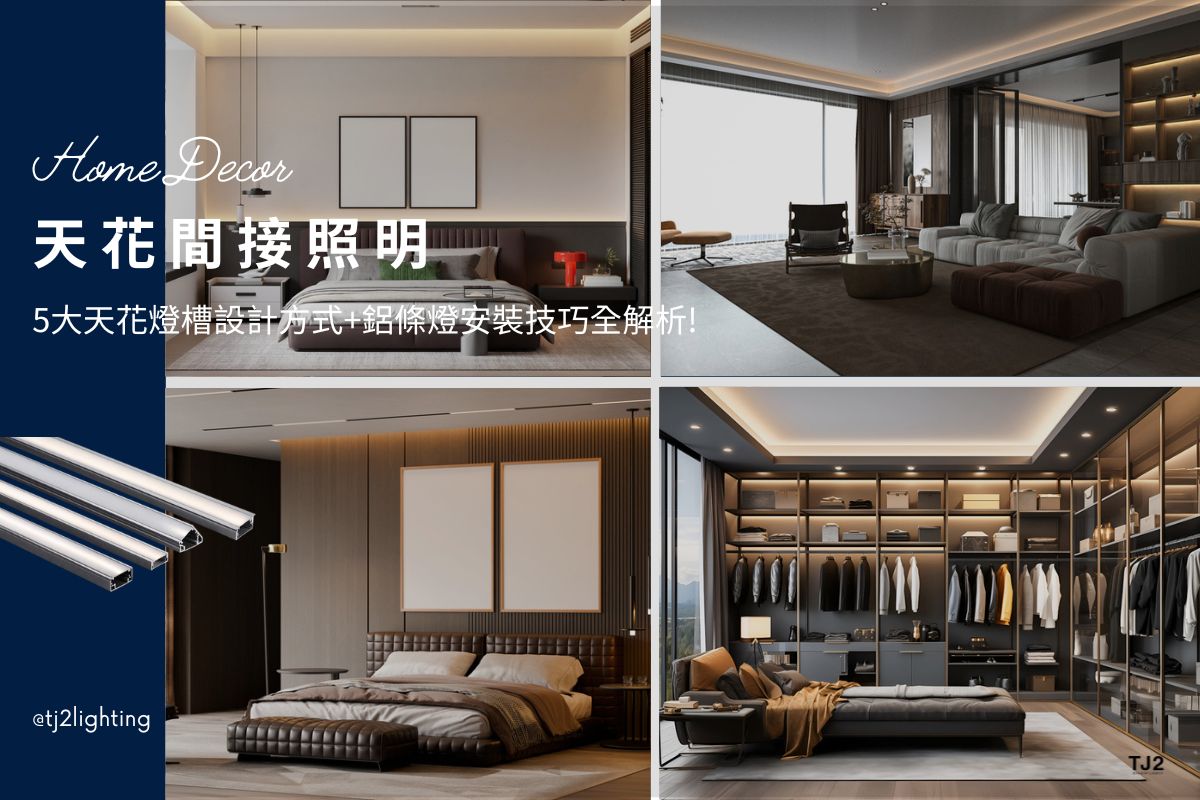
In modern retail store design, LED strip lights and LED profiles are primarily used to create atmosphere and enhance spatial layering, rather than simply providing illumination. Designers often conceal them within ceilings, walls, or display cabinets, using indirect lighting to outline spatial contours and add depth and refinement.
When combined with soft furnishing design, strip lighting can enhance material expression—for example, emphasizing stone textures or wood grain details, making the space feel richer and more dimensional. Additionally, strip lighting is often used as a guiding light source, installed along walkways or display edges to subtly direct customer movement. When this type of indirect lighting is integrated with the main lighting system, the overall retail store lighting design becomes more layered, avoiding a flat or monotonous spatial experience.
了解更多: 2026最新LED燈條/燈帶應用指南,設計師專業推薦
3. 磁吸軌道照明系統:高度彈性的照明解決方案
Magnetic track lighting systems have become increasingly popular in retail store design in recent years, thanks to their exceptional flexibility and adaptability. With a magnetic structure, fixtures can be easily repositioned or replaced, allowing the space to be adjusted in real time according to product displays or event requirements. This makes them particularly suitable for commercial environments with frequently changing displays.
In terms of fixture combinations, magnetic flood lights provide wide and even illumination, while magnetic grille lights help control the beam and reduce glare, improving visual comfort. Magnetic spotlights are ideal for accent lighting, precisely highlighting specific products, while magnetic pendant lights combine lighting and decorative functions, often used in consultation areas or main display zones. Through flexible combinations of these fixtures, designers can create retail store lighting design solutions that balance functionality and aesthetics, adding variation and depth to the space.
4 Ceiling Downlights: Supplementary Lighting with a Minimalist Style
In retail store design, ceiling downlights are typically used as supplementary lighting, especially in spaces where recessed downlights cannot be installed, such as areas with limited ceiling height or existing renovation constraints. They are easy to install and provide stable, even lighting, making them highly practical for corridors or back-of-house areas.
From an interior design perspective, ceiling downlights feature a simple appearance that blends naturally into various interior design styles without disrupting the overall visual composition. When combined with other lighting fixtures, they effectively compensate for areas lacking sufficient illumination, ensuring a more complete lighting scheme. With proper configuration, ceiling downlights not only enhance brightness but also maintain consistency in spatial design.
5 Track Lights: A Key Tool for Enhancing Product Focus
Track lights are an essential accent lighting tool in retail store lighting design and are widely used in product display areas and key visual zones. Their greatest advantage lies in their adjustable angles and positions, allowing designers to precisely direct light according to product placement and strengthen visual focus.
In practical applications, track lights are often used to highlight individual items or featured products. Through concentrated lighting and contrast between light and shadow, products become more prominent within the space. In addition, track lights offer high flexibility, allowing adjustments based on changing display needs. When combined with base lighting and indirect lighting, track lights help create a complete and layered retail store lighting design, making the overall retail space not only brighter but also more visually compelling and commercially effective.
六、結論
Retail store design is not a simple combination of individual elements, but a systematic integration of circulation planning, soft furnishing design, and retail store lighting design. When interior design successfully aligns brand positioning with consumer behavior, the space becomes more than just a place to display products—it becomes a key medium that actively influences customer emotions and decision-making. Through clear circulation planning, customers are naturally guided into and through the space; through soft furnishing design, brand atmosphere is established; and through layered lighting design, visual focus is enhanced. Only then can the space achieve maximum effectiveness.
For designers, truly successful retail store design is not just about creating a visually refined and cohesive space, but about building a commercial environment that continuously attracts foot traffic, extends dwell time, and increases conversion rates. When circulation planning is smooth and intuitive, customer behavior becomes more natural; when soft furnishing design aligns with brand identity, the spatial atmosphere strengthens emotional connections; and when retail store lighting design is layered and focused, product value is effectively amplified. Ultimately, these elements interact to create a powerful spatial appeal that not only enhances customer experience but also translates into tangible sales performance, resulting in a truly competitive commercial space.
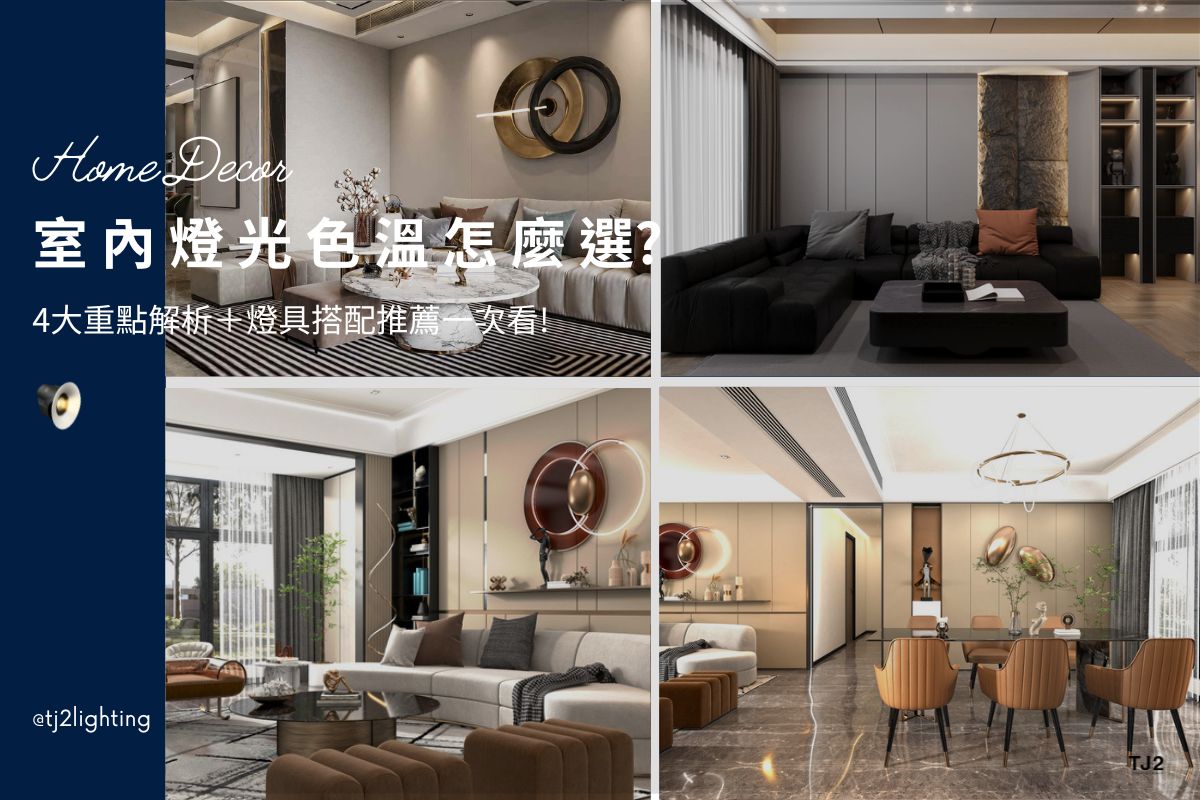
燈光品質的重要性
藝術品在不同品質光源下的照明效果
在店面照明設計中,燈具品質對最終呈現效果具有決定性影響。選擇店面燈具時,除了考量瓦數、色溫與光束角之外,光源品質與演色性同樣關鍵。
High-quality LED chips and advanced optical design significantly improve light uniformity and color accuracy, allowing product details to be clearly visible. Compared to standard lighting, high color rendering fixtures reveal finer textures and elevate the perceived value of products.
同樣一件高級工藝品,在不同光源條件下,其質感與價值感會產生明顯差異。這也說明了為何專業設計師在規劃室內設計時,會特別重視燈具選型與光線品質。


如有零售店面照明設計或店面燈具相關採購需求,歡迎透過以下管道聯繫我們:
● 官方網站: https://tj2lighting.com
● Whatsapp: +886 988147729
● 聯繫電話: +886 -4-25341768
● 電子郵件: sales@tj2lighting.com
● Line: @034wnuyy
更多資訊:
居家燈具全攻略:燈具類型、挑選重點與空間應用一次看!
全球十大LED照明廠商完整介紹【2025 Updated】
酒店燈光設計指南:6大空間照明規劃與燈具應用,打造高客流的頂級體驗
最新【店面燈光設計】指南:6大店型實戰與專業流程解析!
辦公室照明設計|辦公室燈具這樣規劃明亮有質感!辦公室設計
餐酒館照明設計,用燈光打造完美的用餐體驗!餐酒館裝潢必看
咖啡廳照明設計,運用燈光創造絕佳的消費體驗!咖啡廳設計
Luxury Hotel Lighting Design – Creating a High-End Space Worth Thousands per Night!
2025展場設計完整指南:攤位設計 × 攤位形式 × 展場照明全解析!
| More Indoor Lighting
| More Decorative Lighting


| 相關文章
-
專業LED居家燈具製造與供應商 | 臥室照明設計/臥室燈具採購 | 商業照明 | 居家照明 | 照明設計實務 | 室內照明/室內燈具 | 專業LED室內燈具製造與供應商 | 客廳照明設計/客廳燈具採購
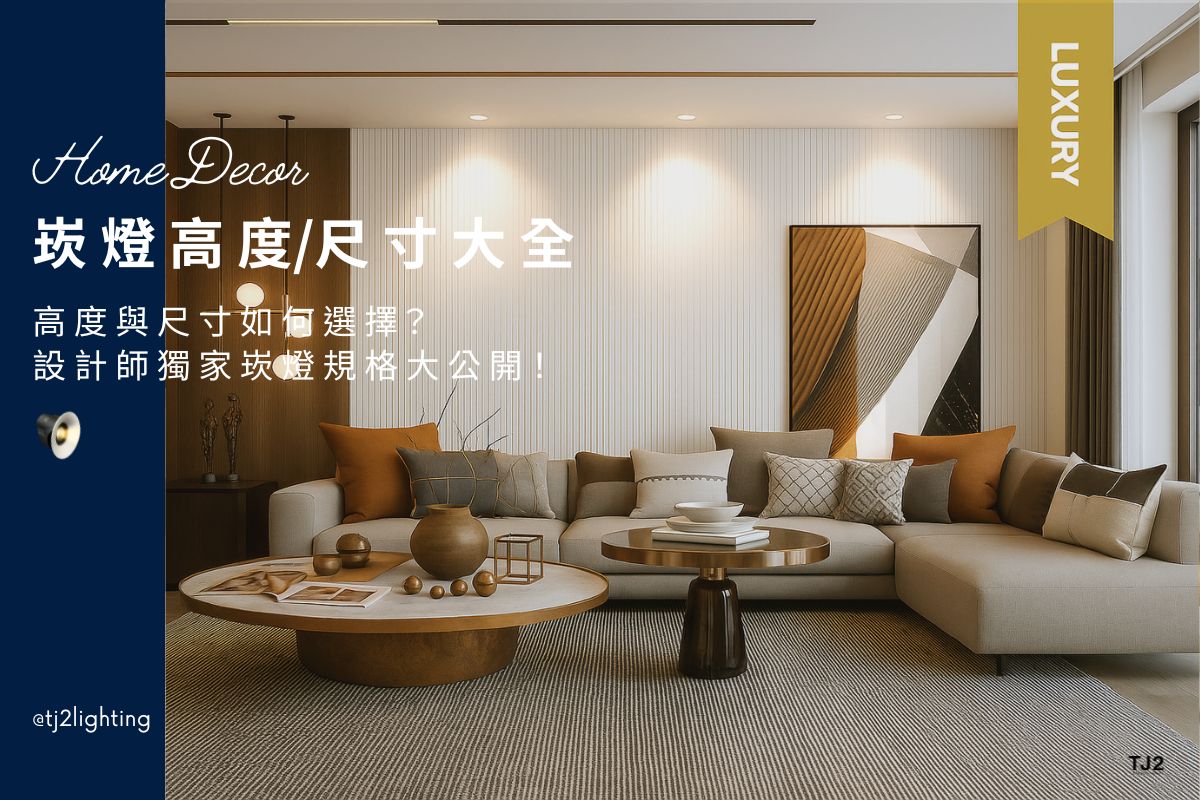
如何挑選崁燈高度與尺寸?設計師私藏燈具規格全解析
在當代空間規劃的範疇內,光與影的交織往往是決定設計質感的最終關鍵。當我們置身於專業人士規劃的場域時,常能體會到一種精緻且放鬆的氛圍,這背後其實包含了精密的光學計算與燈具篩選邏輯。在各類照明設備中,崁燈憑藉其簡潔、隱蔽且具備高度整合性的特點,成為了居家裝潢中最核心的照明方案。無論是需要營造溫潤感的客廳,或是要求高亮度視野的廚房,崁燈都能透過多樣的規格配置,精準達成不同空間的照明目的。崁燈高度、開孔尺寸以及額定瓦數這三大指標,不僅關乎光學表現,更直接影響天花板的施作工法與長期的居住安全。
-
室內照明/室內燈具 | 臥室照明設計/臥室燈具採購 | 商業照明 | 居家照明 | 照明設計實務 | 專業LED室內燈具製造與供應商 | LED 照明解決方案領導品牌 | 客廳照明設計/客廳燈具採購
燈具高度與尺寸如何選擇?設計師私藏的燈光規格一次看!
在室內設計的專業領域當中,燈光配置絕對不僅僅是為了提供基本的照明功能,它更是營造居家氛圍、突顯空間視覺層次、甚至能進一步影響居住者心理感受的靈魂角色。一套能被稱為成功的室內設計作品,其燈具的挑選流程、配置邏輯與最終的安裝規格,必然都經過了設計師極為精心的考量與計算。許多人在自行進行居家裝潢或軟裝佈置時,常會將視覺焦點過度放在燈具的外型設計或材質質感上,卻往往忽略了至關重要的燈具安裝高度與本體尺寸問題。本篇深度文章將完全從室內設計的專業實務角度出發,提供最詳盡的燈具高度與尺寸建議
-
裝潢風格案例/裝潢圖庫總覽 | 居家裝潢DIY/DIY裝修專案 | 居家照明 | 照明設計實務 | 室內照明/室內燈具 | 室內設計案例/室內裝修案例 | 北歐風室內設計案例/作品
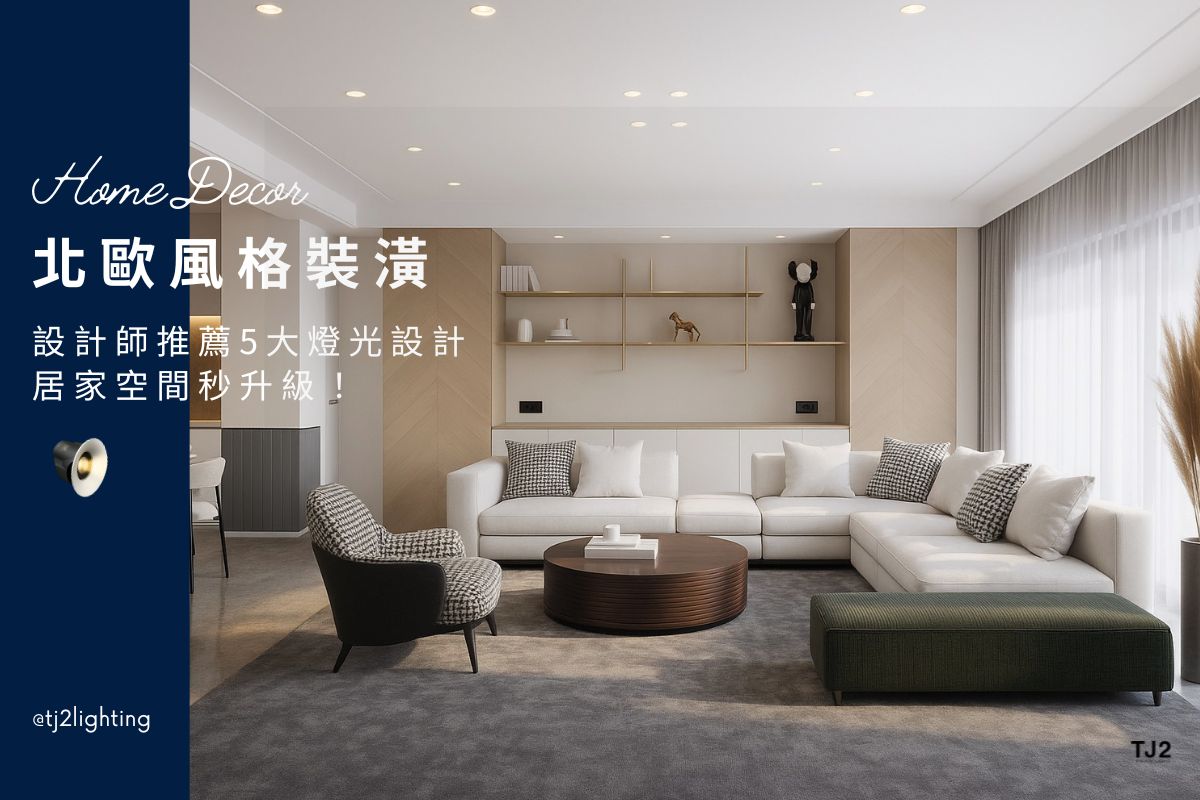
北歐風格裝潢|設計師推薦5大燈光設計技巧,居家空間秒升級!
北歐風格裝潢以「簡約、自然、舒適」聞名,近年來成為許多人心目中最理想的居家選擇。這種風格以純淨色彩、俐落線條與天然材質為基礎,營造出清新卻溫潤的生活氛圍。然而,許多在規劃北歐風居家的人,往往將重點放在家具挑選與軟裝搭配,卻忽略了燈光設計在其中的關鍵作用。即使選擇了再精緻的家具,如果缺少合宜的燈光襯托,整體氛圍也難以達到理想的效果。專業的室內設計師都知道,燈光設計並非只是單純的照明,它同時是塑造層次感、氛圍感與立體感的重要元素。透過妥善的燈光規劃,北歐風格裝潢能更具美感與舒適度,讓居住者在不同時間都能享受最佳的空間氛圍。
TJ2 Lighting | led lighting manufacturer, lighting manufacturer
TJ2 Lighting 專注於室內、商業和戶外照明,包含LED崁燈、吸頂筒燈、軌道燈、投射燈、壁燈、埋地燈/地底燈、戶外柱燈/庭園燈和LED光源模組等,提供多種樣式燈具以及客製化服務。TJ2 Lighting擁有一條龍的MIT產銷體系,能夠提供給客戶最及時、彈性的照明解決方案,以及優質的照明設計服務。
身為台灣LED照明解決方案領導品牌,團隊具有多年內銷、外銷經驗,與國內知名品牌業者、室內設計師均有合作,並致力於提供完整的照明產品與照明設計服務,以達到最大的客戶滿意。