軟裝選購5大技巧:從家具、燈具到家飾,打造高質感唯美居家
一、引言:掌握軟裝選購順序,讓室內設計更有質感
許多人在進行室內設計時,往往會將注意力集中在家具、窗簾、燈具與家飾的外觀及風格,卻容易忽略一個實際且關鍵的問題:軟裝到底應該從哪一項開始選購?不同物件又該如何安排進場順序? 從大型家具的尺寸確認,到燈具、窗簾與裝飾品的搭配,每個採購環節都可能影響最終的空間呈現。如果缺少明確的選購規劃,即使投入許多時間與預算,也可能在後續配置時遇到尺寸不符、風格不協調或功能不足等問題。因此,建立合理的軟裝選購順序,是打造舒適、實用且具備質感居家環境的重要基礎。
軟裝設計並不是看到喜歡的家具或裝飾品就直接購買,之後再想辦法安排進室內空間。若沒有事先考量整體布局,即使每一件單品獨立來看都相當漂亮,實際放在一起時,仍可能出現比例失衡、色彩不一致、材質過度堆疊,甚至風格彼此衝突的情況。這也是為什麼部分居家空間明明使用了不少高價家具與家飾,完成後卻仍然缺少理想中的精緻感。真正影響空間質感的因素,通常不只是產品價格,而是家具比例、色彩關係、材質運用與整體布局是否能夠互相配合,讓不同元素在空間中發揮適當的功能與美感。
對設計師來說,軟裝選購的重點不只在於「應該買哪些東西」,更包括「哪些物件要優先確認」、「什麼時候適合採購」,以及各項家具與家飾應該如何配合裝修進度。尤其在家具、燈具及裝飾品的規劃上,可以先掌握一個容易執行的原則:先大後小、先確立風格,再逐步補充細節。先確認空間的主要功能、家具配置與視覺重點,再依序加入小型家具、窗簾及裝飾品,不只能讓整體風格更一致,也有助於降低重複購買或尺寸不合的問題。當軟裝設計以空間需求為出發點,並依照實際條件安排採購順序,居家環境就更容易呈現自然、協調且富有層次的質感。

了解更多:
軟裝設計指南:設計師教你家具、家飾、燈具與布藝搭配美學!
室內設計配色怎麼做?掌握60:30:10黃金法則,打造高質感居家空間
軟裝配色怎麼搭?掌握60-30-10色彩比例,讓空間更有質感!
二、軟裝選購的核心原則:從大型家具開始,確立空間整體風格
如果對室內設計的規劃方向感到不知所措,不妨先從大型軟裝著手。沙發、餐桌、床架、床組與地毯等家具,通常占據室內較大的視覺面積,也是影響空間風格與使用感受的重要元素。這些物件除了決定居家的基本機能,也會牽動後續家具、燈具及家飾的搭配方式。因此,在正式進行軟裝選購之前,建議先釐清室內尺寸、日常使用需求及希望呈現的設計風格,避免只因為某件商品外型吸引人,就忽略整體空間的實際條件與配置需求。
以客廳為例,可以先確認沙發的尺寸、形式與材質,再依照沙發的比例及空間大小選擇地毯,最後搭配茶几、單椅與邊櫃等家具。當主要家具確定後,其他軟裝就能依循既有的方向進行挑選,不必每購買一件物品,就重新思考一次整體風格。對設計師而言,這樣的安排也有助於掌握家具之間的尺度關係,避免空間過度擁擠,同時保留足夠的活動動線與日常使用彈性。透過先規劃主要家具,再逐步延伸至其他軟裝元素,整個軟裝設計過程會更清楚,也比較容易實現原先設定的居家效果。
Adopting a “large first, small later” purchasing approach can also effectively reduce mistakes during subsequent purchases. If you discover that a large piece of furniture is unsuitable in size only after purchasing it, you may face additional time and costs associated with returns or exchanges. It can also affect interior circulation, storage arrangements, and the overall proportions of the space. In comparison, small decorative ornaments and accessories are generally easier to adjust, making them more suitable for later additions. This is especially important when working with a limited budget. Prioritize the main furniture and essential living functions first, then use the remaining budget to select decorative items and other finishing details. This approach can help control expenses while ensuring that each purchase is more closely aligned with actual needs, preventing unnecessary purchases driven by temporary preferences.
Simply put, large furniture establishes the basic framework of a space, medium-sized furniture coordinates proportions and functionality, while small soft furnishings complete the atmosphere and details. Understanding this arrangement logic gives soft furnishing design a clearer direction and helps prevent situations where furniture and accessories look attractive individually but fail to work together as a whole. When interior design begins with the overall conditions of the space, establishes the main furniture and style direction first, and then gradually introduces lighting, fabrics, and decorative details, it becomes easier to achieve a better balance between aesthetics, practicality, and everyday living needs, creating a sophisticated space that truly suits its occupants.

了解更多:
軟裝佈置8大手法:家具、燈光到家飾,打造有層次的質感空間!
現代風軟裝設計:掌握 60-30-10 黃金配色法則,打造質感現代風居家空間
北歐風軟裝設計指南:規劃家具、燈具、布藝、裝飾擺件一次搞定!
現代風軟裝設計指南:規劃家具、燈具、布藝、裝飾擺件一次搞定!
三、軟裝選購5大重點:從家具、照明到窗簾,循序打造理想居家質感
1. 大型家具與地毯:先掌握空間比例,再確立整體風格
During the soft furnishing selection process, large furniture is usually one of the first elements that needs to be confirmed. This includes sofas, dining tables, bed frames, mattresses, and carpets. These items not only affect the convenience of everyday use but also influence the visual proportions, circulation, and overall style of an interior space. Since large furniture is generally more expensive and difficult to replace casually after purchase, it is important to evaluate the size of the home, the number of household members, lifestyle habits, and the direction of the interior design before making a selection. Instead of purchasing numerous small decorative items first and then figuring out how to arrange the furniture, it is more practical to confirm the most important furniture pieces in the space. This provides a clear foundation for subsequent soft furnishing design.
Take the living room as an example. The sofa is usually the main visual focus of the space, so you can first determine its size, material, and shape, then select a carpet and coffee table based on the overall proportions. Once the sofa has been confirmed, other furniture pieces can be coordinated around this main element, creating a more consistent relationship between colors and materials. In the dining room, you can decide on the dining table first, then arrange the dining chairs and dining area lighting so that the table size, number of seats, and lighting range complement one another. In the bedroom, priority should be given to confirming the mattress, bed frame, and surrounding layout, while also reserving sufficient walking paths and storage space. By selecting furniture outward from the main pieces, you can not only reduce uncertainty during the matching process but also clarify the function of each area, allowing interior design to balance visual appeal with practical living needs.
Carpets Are More Than Decorative Items: They Are Key Elements That Connect Furniture and Space
In many homes, carpets are often regarded as decorative items that can be purchased at the very end. However, from the perspective of soft furnishing design, carpets play an important role in integrating furniture and defining different areas. In particular, when sofas, coffee tables, and accent chairs are placed separately in a living room, the overall layout can easily appear fragmented. A carpet with an appropriate size can connect different furniture pieces, creating a more complete visual area. It can also add depth to the space through variations in material, color, and texture. For homes with an open layout, carpets can further help distinguish the living room from other functional areas, allowing the space to maintain a sense of openness while still establishing clear functional divisions.
When selecting a carpet size, you can use the sofa length and the living room furniture layout as references, then make adjustments based on the actual floor area and circulation paths. A larger carpet is not necessarily better. If the carpet is too small, the furniture may lack an overall visual connection. If it is too large, it may restrict walking space or even create an unbalanced visual proportion. Therefore, it is recommended to take actual measurements before purchasing soft furnishings and confirm the relative positions of the furniture and carpet. In terms of the carpet’s horizontal width, it is recommended that it extend at least 15–30 cm beyond the total length of the sofa, leaving an extension of approximately 15–30 cm on each side. This arrangement helps establish a complete relationship between the sofa, coffee table, and carpet, while also improving the overall proportions of the living room and enhancing its visual quality through interior design.
In addition to size, the carpet’s thickness, material characteristics, and ease of cleaning should also be included among the practical selection criteria. If there are children or pets at home, or if the living room is an area with frequent daily activity, special attention should be paid to whether the carpet is easy to maintain, suitable for long-term use, and compatible with the household’s living needs. When the carpet’s size and color are coordinated with the proportions of the furniture, it can provide greater underfoot comfort and improve the overall atmosphere of the space. It can also make the soft furnishing design more complete, preventing decorative items from appearing disconnected and lacking visual continuity.
了解更多: 最新家具挑選攻略: 材質、風格、尺寸,設計師教你打造精緻家居!

Mattresses and Bed Frames: Address Daily Resting Needs Beyond Appearance
When selecting soft furnishings for the bedroom, it is recommended to consider the mattress first. Although the bed frame is often one of the most visually prominent pieces of furniture in a bedroom, the mattress itself is directly related to sleeping comfort. Therefore, when planning the bedroom space, you can first confirm the mattress size, thickness, support requirements, and actual usage habits, then select a suitable bed frame based on these conditions. In addition to appearance and style, attention should also be paid to the bed frame’s load-bearing capacity, structural stability, and ease of cleaning. Avoid focusing solely on its design while overlooking practical needs during long-term use. After all, the bedroom is a living space used every day, so furniture comfort, durability, and safety should be considered just as important as visual appeal.
Confirming the compatibility of the mattress and bed frame in advance can help reduce problems such as an unsuitable bed height, mismatched dimensions, or an unbalanced overall proportion. When carrying out bedroom interior design, designers also incorporate the walkways around the bed, bedside tables, and storage space into the planning process. This ensures that the furniture not only fits into the room but is also convenient for everyday use. For example, the height of the bedside table can be coordinated with the combined height of the mattress and bed frame, making it easier for users to reach items when lying down or getting up. Sufficient activity space should also be reserved around the bed frame to facilitate getting in and out of bed, changing bedding, and carrying out daily cleaning. When the mattress, bed frame, and surrounding furniture are coordinated in terms of size, function, and proportion, the bedroom can achieve both better rest quality and a cohesive interior design aesthetic.

2. 居家燈具:固定照明先確認,活動式燈具再補足氛圍
Lighting fixtures have a relatively unique position in soft furnishing design because they involve lighting effects, visual aesthetics, and construction arrangements at the same time. Generally speaking, once the style and layout of the large furniture have been confirmed, you can further select lighting fixtures that complement them. However, the installation locations of ceiling lights, pendant lights, wall lights, and certain fixed lighting fixtures often need to be planned during the early stages. This is because lighting fixtures are not merely decorative objects. Some lighting equipment also involves circuit planning, ceiling cutouts, wiring, and fixed installation work. If the positions of the lighting fixtures and the furniture layout are not confirmed together during the initial stage of interior design, later adjustments to the construction work may be required, increasing both the time costs and the risk of project changes.
For example, when a living room uses anti-glare downlights, ceiling downlights, or track lights as basic lighting, the arrangement should take the ceiling conditions, furniture positions, and space usage requirements into account. If pendant lights are planned above the dining table, the table size, placement, and pendant light installation height should also be confirmed in advance. This helps prevent an unbalanced proportion between the lighting fixture and the furniture or interference during daily use. If fixed lighting is not addressed until all the furniture has been installed, construction adjustments may become more difficult and could even affect the integrity of the walls, ceiling, or furniture. In homes that adopt a no main light design or layered lighting approach, the number of lighting fixtures, beam directions, and installation positions usually require more comprehensive planning. Therefore, the lighting layout should be confirmed during the early stage of interior design so that functionality and aesthetics can be considered together.
Therefore, although lighting fixtures are part of soft furnishing selection, fixed lighting should not be left until the final stage. During the initial stage of interior design, lighting requirements, furniture arrangements, and installation conditions should be organized together. Suitable lighting directions and methods can then be selected according to the purpose of each area. For example, the living room may need to accommodate everyday activities, reading, and relaxation. The dining room should focus on the lighting range around the dining table and dining comfort, while the bedroom may prioritize soft lighting that does not cause visual distractions. When furniture and lighting fixtures are coordinated during the planning stage, it not only reduces the need for later construction adjustments but also helps create a lighting environment that meets actual living needs. This allows soft furnishing design to go beyond visual coordination and become integrated with everyday functionality.
Basic Lighting and Decorative Lighting Should Begin with Clear Usage Purposes
Home lighting can generally be divided into basic lighting and decorative lighting according to its function. Anti-glare downlights, ceiling downlights, and track lights are mainly responsible for providing general brightness and localized accent lighting. Floor lamps, table lamps, wall lights, and pendant lights provide illumination while potentially becoming visual focal points within an interior design. When selecting lighting fixtures, you should not only consider whether their appearance matches your personal preferences but also confirm whether their beam distribution, installation position, and functions suit the conditions of the space. For example, anti-glare downlights can be used in areas where reducing glare is important. Track lights can adjust their lighting direction according to the positions of furniture, display items, or key areas. Table lamps and floor lamps, meanwhile, are suitable for supplementing the lighting required for reading, relaxation, or specific activities through localized light sources.
Compared with fixed lighting, table lamps and floor lamps generally offer greater flexibility in terms of placement. Therefore, they can be coordinated during the later stages of soft furnishing design according to the actual positions of the furniture. Once the sofa, accent chair, side cabinet, and other furniture pieces have been confirmed, it becomes easier to select suitable lighting fixtures based on specific usage scenarios while maintaining both functionality and visual appeal. For example, a floor lamp can be placed beside the sofa to provide supplementary lighting for reading or relaxing. A table lamp can be added to a side cabinet or bedside table according to the spatial conditions, increasing localized illumination and visual depth. Through the combination of fixed lighting and movable lighting fixtures, home lighting does not need to rely on a single light source. Instead, it can be adjusted according to different times of day and daily activities, allowing soft furnishing design to create a comfortable and layered atmosphere in addition to practical functionality.


3. 窗簾:前期先做好規劃,裝修完成後再安排進場
Curtains are often one of the items postponed during the soft furnishing selection process. Many people wait until the furniture and lighting fixtures have been arranged before considering the curtain style, color, and fabric. In reality, although curtains are usually installed during the later stages, the related planning should begin much earlier. This is because curtain dimensions, material characteristics, light-blocking performance, and installation methods may all be connected to the windows, walls, ceiling, and furniture layout. If these details are not confirmed in advance during the interior design stage, problems may occur later, such as insufficient space for curtain boxes, limitations on track installation, inconvenient access to switches, or an unsuitable proportion between the curtains and furniture. Therefore, curtains should not be treated merely as decorative items used to refine the space at the final stage. Instead, they should be incorporated into the overall soft furnishing design plan.
In terms of practical arrangements, the approach of “planning early and installing later” can be adopted. During the interior design and furniture layout stages, first confirm the curtain requirements, including the installation position, fabric characteristics, light-blocking level, and color direction. Then, after the necessary construction work has been completed and the space has been cleaned and organized, arrange for the curtains to be installed. This generally helps reduce the risk of dust contamination or damage during the construction period. If the curtains need to be installed together with curtain boxes, tracks, or other fixed structures, the relevant conditions should also be confirmed with the designer and construction team in advance. This prevents the need for major adjustments during the final stage. Through early planning and later installation, curtains can be integrated into the home more smoothly while achieving a better balance between practicality, construction coordination, and overall aesthetics.
Use Curtains to Adjust Color Relationships and Add Depth to the Home
In addition to providing light control, privacy, and daylight adjustment, curtains can also become important soft furnishing elements that influence the atmosphere of a home. Since curtains usually cover a relatively large surface area, their colors, materials, and draping effects directly affect the visual temperature and softness of an interior space. If the overall space is primarily decorated in colors such as gray, white, or black, you may consider adding curtains in beige, milk tea, or earthy tones to create a warmer atmosphere while reducing the rigid feeling that cool-toned furniture may produce. Conversely, if the interior already incorporates a large amount of warm-toned wood or dark-colored furniture, curtains in refreshing neutral tones can help maintain visual balance and prevent the colors and materials from becoming overly concentrated.
If the colors of the furniture, walls, and flooring are relatively simple, curtains with delicate textures, special weaving techniques, or subtle patterns can be used to add visual depth to the space. However, during soft furnishing selection, you should avoid choosing overly strong or complicated patterns solely to create an eye-catching effect, as they may take attention away from the furniture and other design elements. It is recommended to first observe the current color distribution, material proportions, and primary style of the space. Then determine whether the curtains should become a visual focal point or subtly complement the other soft furnishing arrangements. In addition, the appropriate level of light blocking and fabric characteristics should be selected according to the room’s orientation, natural lighting conditions, and actual lifestyle needs. This ensures that the curtains are not only visually appealing but also suitable for everyday use, further enhancing the completeness of the interior design and overall living comfort.


4. 小件家具:從生活需求出發,補足空間機能與配置彈性
Once the planning of large furniture, lighting fixtures, and curtains is gradually completed, you can move on to smaller furniture such as coffee tables, accent chairs, bedside tables, and side cabinets. At this stage of soft furnishing selection, the focus should not be on immediately purchasing products simply because you like them. Instead, reassess what functional needs remain in the space and determine which pieces of furniture are actually worth adding based on your everyday lifestyle. Although small furniture is generally less expensive than large furniture, a lack of overall planning can still lead to a crowded space, obstructed circulation, or even duplicated storage functions as the number of items increases. Therefore, when carrying out soft furnishing design, you should first determine the actual purpose of each furniture piece before considering its appearance, material, and style. This helps prevent unnecessary items from being added simply to fill an empty area.
For example, after a large sofa has been placed in the living room, you can assess whether an accent chair is still necessary based on the household’s usage habits and the available space. If the coffee table already provides sufficient storage or surface space, there may be no need to add several side tables. In the bedroom, you can decide whether bedside tables are needed on both sides or whether additional storage furniture would be appropriate according to the bed size, storage requirements, and usage habits. For smaller homes, it is also worth prioritizing multifunctional furniture, such as side cabinets that combine storage and display functions or small tables that can be moved easily. This allows limited interior space to be used more efficiently. A function-oriented purchasing approach gives every piece of furniture a clear purpose and better meets modern demands for flexible layouts and practical living.
Coordinate Colors, Materials, and Sizes to Maintain Overall Harmony
Although small furniture occupies less space, it can still have a noticeable impact on the overall interior design when multiple pieces are concentrated within the same area. Therefore, during soft furnishing selection, you can continue the color and material direction established by the large furniture, then introduce variations through proportions, shapes, and details to keep the space consistent while maintaining visual depth. This is particularly important in connected layouts such as living rooms, dining rooms, and open kitchens, where the colors and materials of small furniture need to be carefully coordinated. Otherwise, if each area adopts a completely different style, the overall design may lack continuity. Harmony does not mean that every piece of furniture needs to have the same style. Instead, different objects should have natural and easily recognizable connections with one another.
For example, when a sofa features warm gray fabric, it can be paired with small furniture in wood, metal, or similar tones. Different materials and lines can then be used to create an appropriate level of variation without requiring every furniture piece to match perfectly. A timeless interior design is often created by establishing an overall sense of unity through similar colors, materials, or design elements while retaining an appropriate degree of difference. Wooden furniture can echo the flooring, woodwork, or other natural materials, while metal details can visually connect with lighting fixtures, side tables, or decorative items. This creates a consistent design language across different areas. As long as you first establish the primary color palette, material proportions, and furniture dimensions, then introduce a small number of distinctive pieces, you can prevent the space from becoming too monotonous while also reducing the clutter caused by excessive design elements. This allows the soft furnishing design to better complement the overall home style.

5. 小型擺件:透過家飾細節,逐步建立居家氛圍
Once the large furniture, primary lighting, and curtains have been confirmed, the final stage involves arranging decorative paintings, table lamps, greenery, cushions, and various small decorative items. Although these objects are not part of the main structure of the space, they are often the details that best express the personality and lifestyle of the residents. After the furniture and basic lighting have been laid out, small soft furnishings can be gradually added according to the space’s colors, materials, and everyday usage scenarios. This allows the overall design to develop from basic functionality into atmosphere creation and personal expression. There is no need to purchase every decorative item at once during this stage. Instead, you can observe how the space is actually used after moving in and gradually select pieces that genuinely suit the home and your personal preferences. This allows the living environment to respond to real-life needs in addition to achieving visual appeal.
If large furniture is considered the framework of a space, small soft furnishings are the details that complete its overall style. Cushions can add color variations and a softer tactile quality to the sofa area, while greenery can introduce a sense of nature. Decorative paintings can strengthen visual focal points on the walls. Table lamps not only provide localized lighting but can also create a warmer home atmosphere through variations of light and shadow. Decorative items made from different materials and featuring different shapes can further enrich the visual and tactile qualities of the space. For example, ceramic, glass, wood, and textiles can all introduce subtle variations to a furniture arrangement. However, soft furnishing selection should still take the quantity of objects, their placement, and surrounding negative space into consideration. Excessive concentration of decorations can make a space feel crowded and cause an originally sophisticated interior to lose its sense of comfort and visual balance.

Decorative Paintings and Accessories Do Not Need to Be Numerous: The Key Is Their Connection with the Space
When selecting decorative paintings, there is no need to simply follow popular styles or trending online aesthetics. More importantly, return to the home itself and observe the furniture colors, wall materials, lighting atmosphere, and overall interior design direction before deciding on the artwork’s size, composition, and color palette. When an artwork responds to the existing furniture and spatial style, it is generally easier to create a cohesive visual effect. Different areas can also feature artwork according to their specific functions. For example, the living room can incorporate paintings that echo the main furniture and overall color palette, while the bedroom may be better suited to softer colors and compositions that complement a relaxing atmosphere. Rather than simply following current design trends, it is more useful to first determine whether the artwork suits your home style, allowing decorative accessories to genuinely become part of the interior design rather than existing as isolated decorations.
When determining the height of wall art, viewing comfort can be used as the primary consideration. In general, the center point of the artwork can be positioned approximately 1.5–1.6 meters above the floor, then adjusted according to the furniture height, wall proportions, and actual visual effect. This measurement can serve as an initial reference, but there is no need to follow a fixed standard rigidly. The actual arrangement should still take the spatial conditions and relationship with the furniture into account. For example, when artwork is hung above a sofa, you should consider the sofa back height, artwork dimensions, and the negative space above and below it at the same time. This helps prevent the distance between the artwork and furniture from becoming either excessive or too cramped. If multiple artworks are arranged together, you can first lay them out on the floor to confirm the overall composition, spacing, and proportions before installing them on the wall. These adjustments can create a more natural visual relationship between the artwork and surrounding furniture, reducing problems such as artwork being hung too high, too low, or at an unsuitable scale, while making the overall soft furnishing design more complete.
The arrangement of small decorative items also requires a sense of moderation. Rather than purchasing a large number of decorations at once, it is better to leave an appropriate amount of open space and gradually add items according to actual needs. When furniture, lighting, curtains, and decorative accessories share clear connections in terms of color or material, even a limited number of decorations can create a natural and layered sense of sophistication. You can begin with one or two visual focal points and then add other small objects according to the proportions of the space, maintaining a reasonable balance between different materials, colors, and shapes. Small soft furnishings such as cushions, tabletop decorations, and greenery can also be changed appropriately according to seasonal changes or lifestyle needs, giving the home greater flexibility without requiring frequent changes to large furniture. Good soft furnishing design is not about filling every corner with decorations. Instead, each item should have a reasonable relationship with the space, creating a balance between aesthetics, comfort, and personal character while ultimately shaping a sophisticated home environment that genuinely reflects the residents’ lifestyle.

四、總結:好的軟裝設計,不是買得越多,而是每項配置都恰到好處
Soft furnishing selection may appear to be a purchasing task involving furniture and home accessories, but in reality, it is closely connected to the overall planning of interior design. Starting with large furniture such as sofas, dining tables, bed frames, and carpets, then gradually extending to lighting, curtains, and smaller furniture, and finally completing the space with decorative paintings, plants, cushions, and ornaments, each stage serves a different purpose. This purchasing process not only allows the style of a space to develop gradually but also helps residents allocate their budgets more effectively, avoiding repeated furniture replacements or unnecessary decorative purchases caused by a lack of prior planning. When soft furnishing design is centered on living requirements and spatial conditions, the quality of a home does not have to rely solely on expensive items. Instead, it is gradually established through the coordination and integration of individual details.
Throughout the soft furnishing selection process, the principle most worth remembering is “start with large pieces, establish the overall style first, and gradually complete the details.” Large furniture determines the primary style and scale of a space, lighting helps establish layers of illumination, curtains adjust the overall color palette and material texture, smaller furniture provides practical functionality, and decorative accessories add personal character during the final stage. Although different elements have their own appropriate purchasing priorities, this does not mean that every home must follow exactly the same process. Instead, the order should be adjusted flexibly according to the renovation schedule, furniture functionality, construction conditions, and individual living requirements. As long as the main furniture and interior layout are confirmed first, followed by lighting, fabrics, and decorative details, soft furnishing selection becomes more purposeful and it becomes easier to maintain consistency throughout the overall style.
For designers, a truly timeless home is not created by placing expensive furniture together in the same space. Rather, it comes from coordinating proportions, colors, materials, lighting, and everyday living requirements. Therefore, before beginning soft furnishing purchases, it is worth organizing the priorities of the entire space, from furniture dimensions and circulation planning to lighting installation and accessory coordination, while allowing sufficient time for thoughtful decisions. When every item has a clear purpose and responds to the actual needs of daily life, the space can naturally become less cluttered while gaining greater cohesion and sophistication. For those who hope to create their ideal home through interior design, good soft furnishing design is not about purchasing every piece of furniture and decoration all at once. Instead, it is about making thoughtful choices based on actual needs, preserving an appropriate sense of openness, and allowing every detail to come together to create a lifestyle and interior environment that reflects personal character.
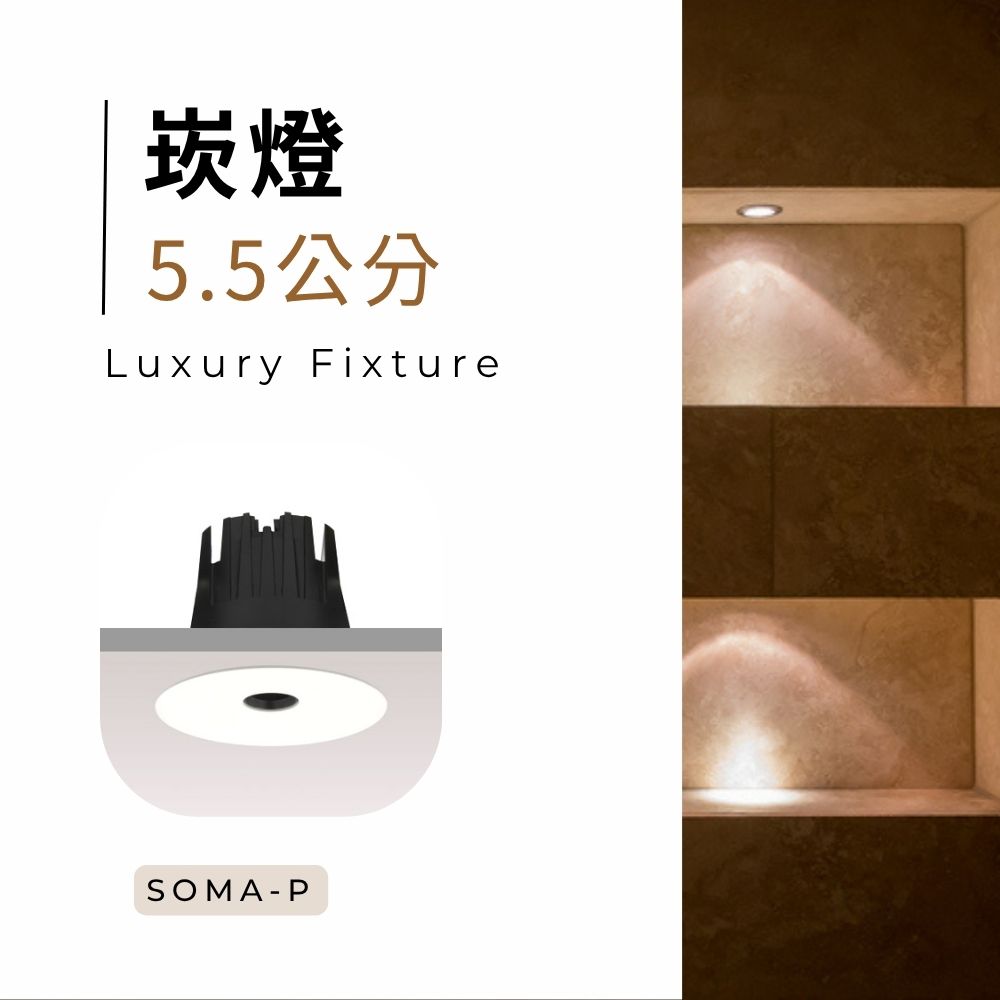
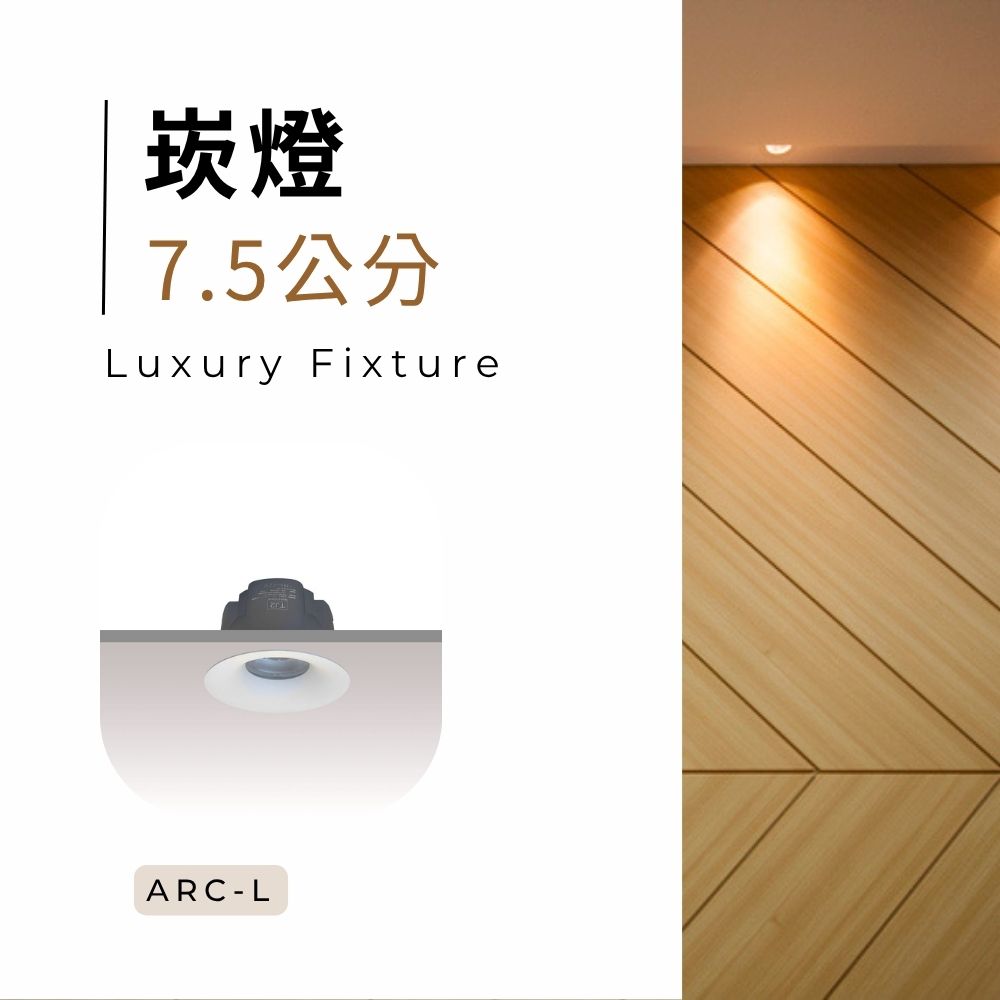
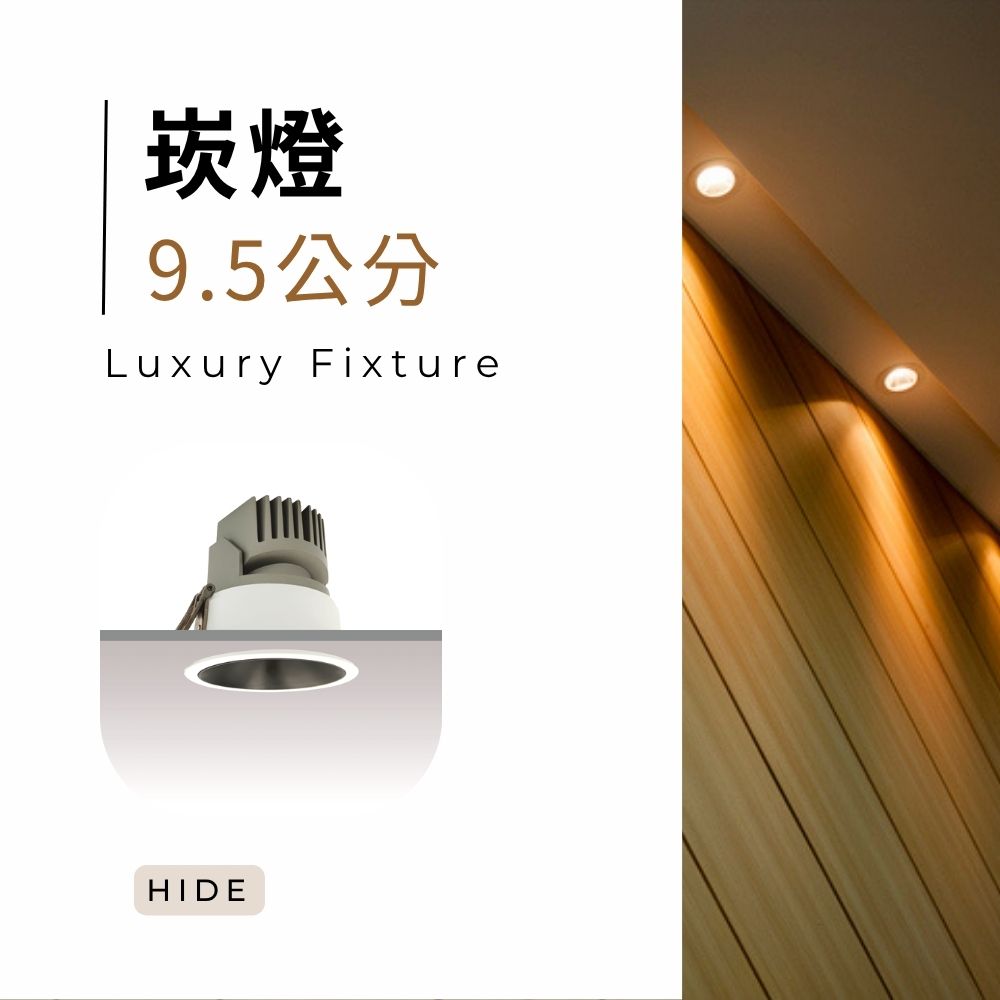
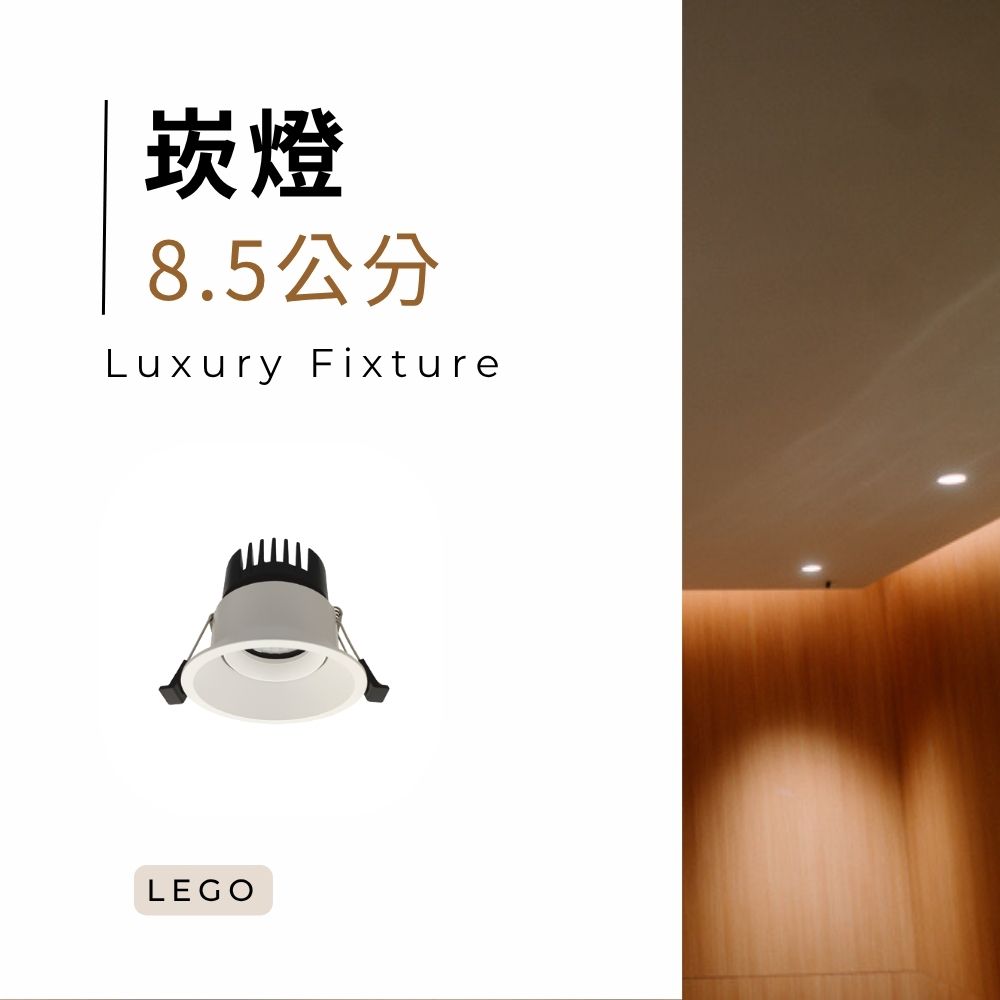
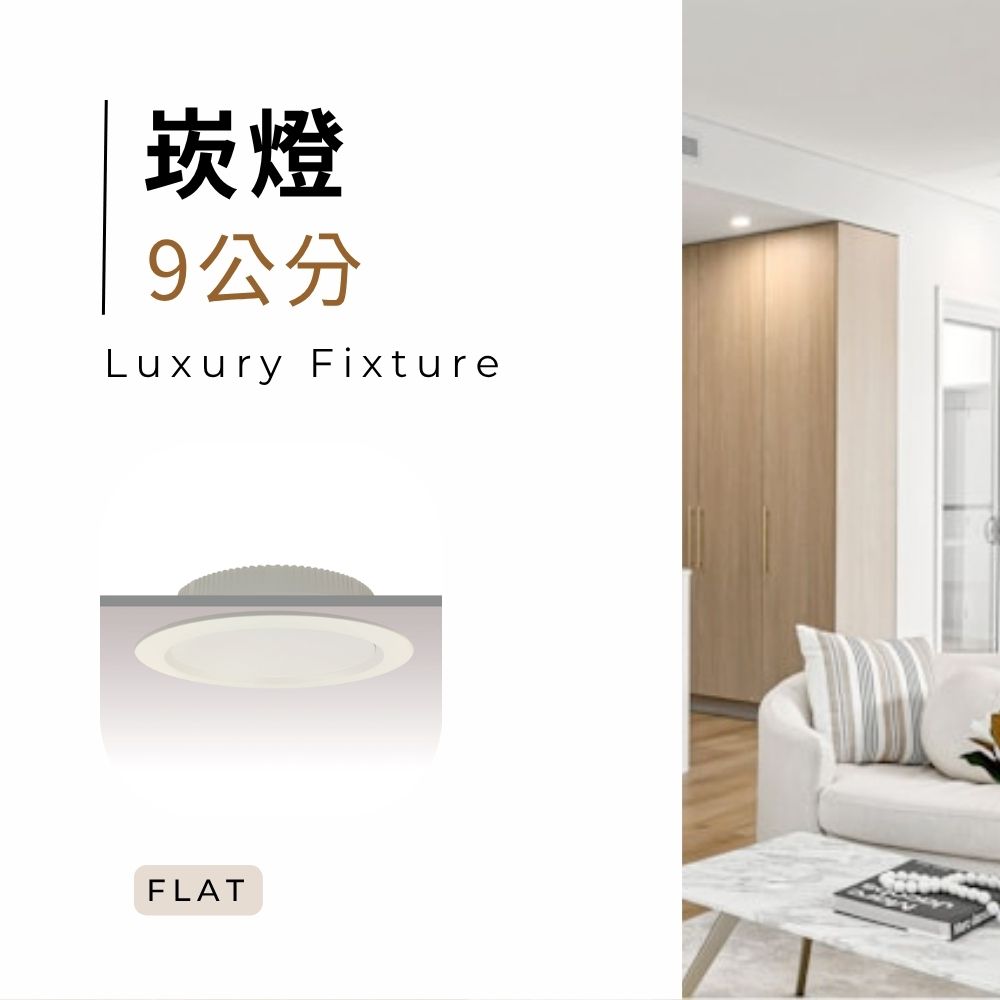
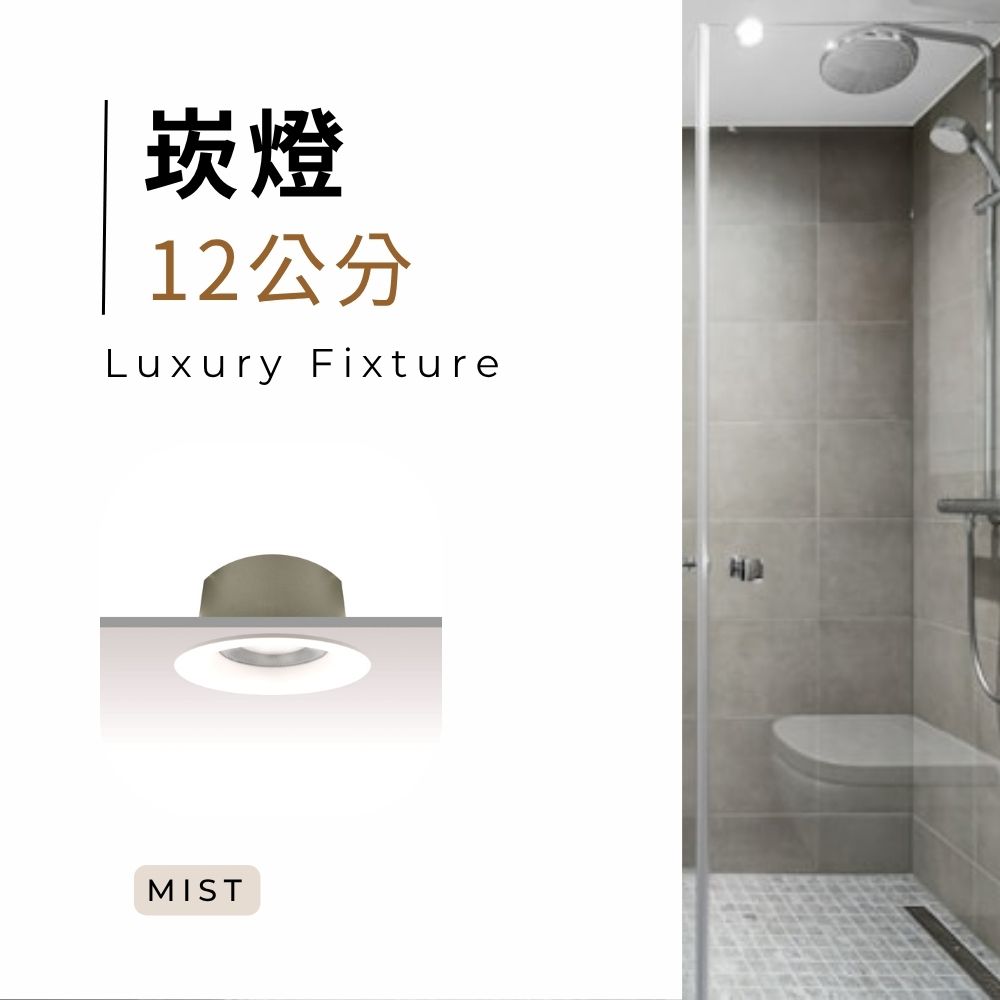
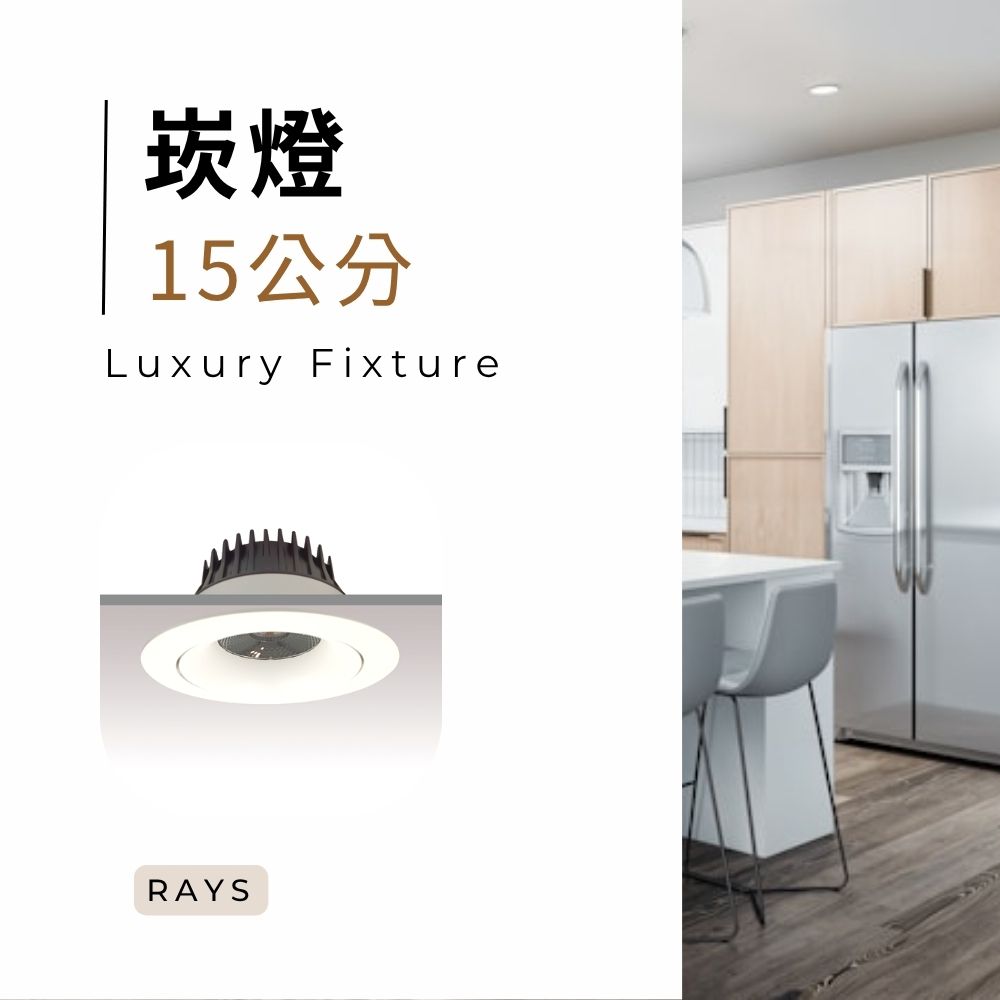
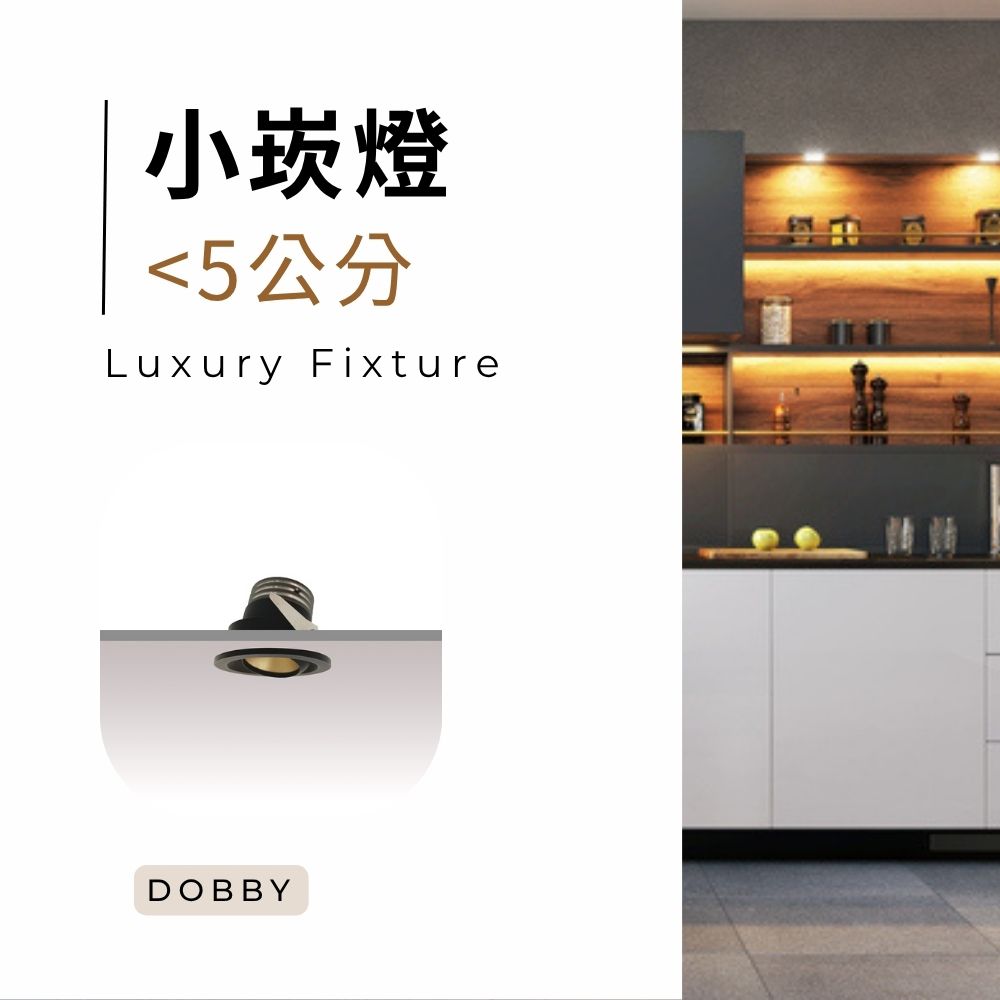
|各種尺寸裝潢崁燈推薦
如有居家照明設計、居家燈具採購需求,歡迎透過下方管道聯絡我們:
● 官方網站: https://tj2lighting.com
● Whatsapp: +886 988147729
● 聯繫電話: +886 -4-25341768
● 電子郵件: sales@tj2lighting.com
● Line: @034wnuyy
更多資訊:
現代風室內設計指南:風格分析、空間應用、家具佈置一次看懂!
北歐風室內設計指南:風格分析、空間應用、家具佈置一次看懂!
現代風軟裝設計: 設計師教你從家具、燈具到藝術擺件,打造現代風家居!
北歐風軟裝設計: 設計師教你從家具、燈具到藝術擺件,打造北歐風家居!
2026室內設計風格、案例指南,設計師私藏11大風格完整解析!
室內燈具/居家燈具專區 - LED照明燈具領導品牌
照明設計全攻略:解析6大裝潢風格照明與燈具選購要點|室內設計
照明設計攻略:設計師私藏居家照明5大技巧,小預算打造居家高級感|室內設計
燈具色溫怎麼挑? 設計師推薦暖白光、自然光與冷白光,教你規劃全屋室內照明!
櫥櫃鋁條燈指南:5大櫥櫃照明重點+獨家鋁條燈推薦,打造質感居家空間
10大裝潢風格推薦|家具配置 × 燈具挑選 × 完整室內設計案例指南!
客廳照明設計怎麼做?6大燈光配置技巧,打造舒適居家空間
臥室照明設計怎麼做?6大燈光配置技巧+常見問題解析
廚房照明設計怎麼做?5大燈光配置技巧,打造高質感廚房空間
浴室照明設計怎麼做?5大燈光配置技巧,打造時尚安全衛浴空間
| 室內燈具推薦
| 磁吸軌道燈推薦
| 裝飾燈具推薦


| 相關文章
-
專業LED居家燈具製造與供應商 | 臥室照明設計/臥室燈具採購 | 商業照明 | 居家照明 | 照明設計實務 | 室內照明/室內燈具 | 專業LED室內燈具製造與供應商 | 客廳照明設計/客廳燈具採購
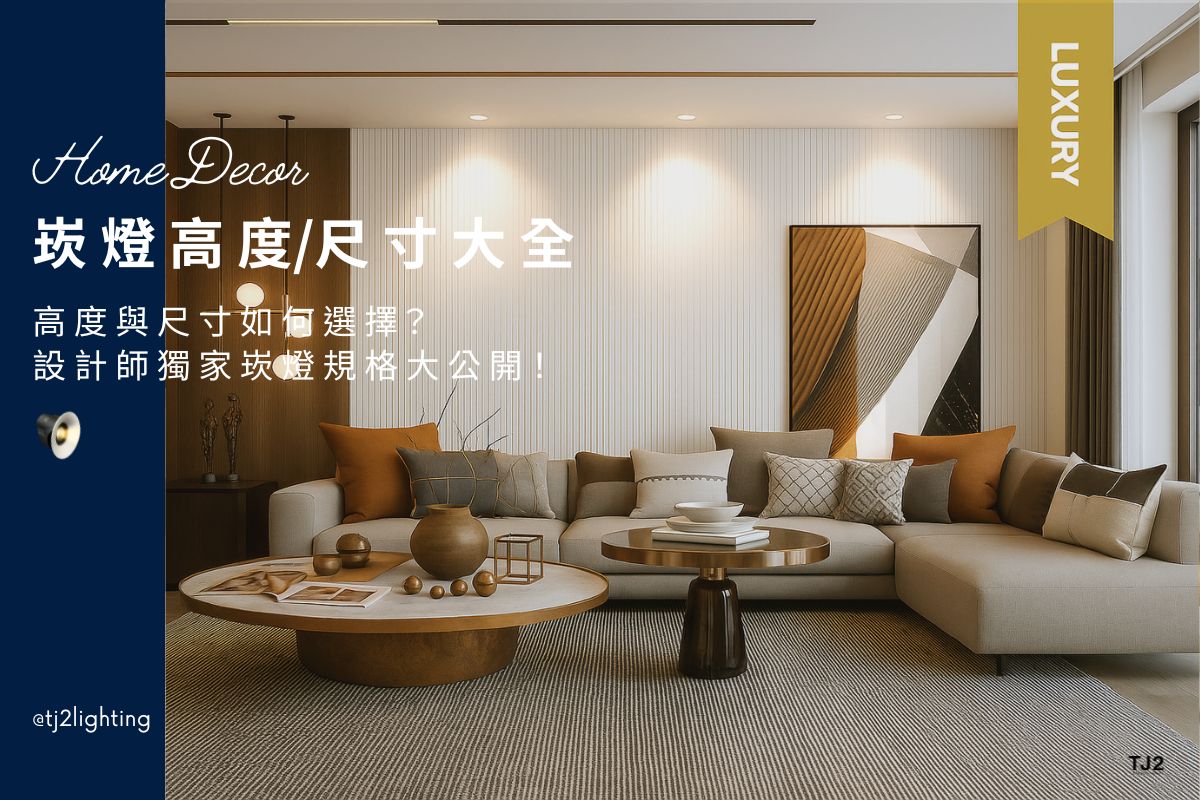
如何挑選崁燈高度與尺寸?設計師私藏燈具規格全解析
在當代空間規劃的範疇內,光與影的交織往往是決定設計質感的最終關鍵。當我們置身於專業人士規劃的場域時,常能體會到一種精緻且放鬆的氛圍,這背後其實包含了精密的光學計算與燈具篩選邏輯。在各類照明設備中,崁燈憑藉其簡潔、隱蔽且具備高度整合性的特點,成為了居家裝潢中最核心的照明方案。無論是需要營造溫潤感的客廳,或是要求高亮度視野的廚房,崁燈都能透過多樣的規格配置,精準達成不同空間的照明目的。崁燈高度、開孔尺寸以及額定瓦數這三大指標,不僅關乎光學表現,更直接影響天花板的施作工法與長期的居住安全。
-
室內照明/室內燈具 | 臥室照明設計/臥室燈具採購 | 商業照明 | 居家照明 | 照明設計實務 | 專業LED室內燈具製造與供應商 | LED 照明解決方案領導品牌 | 客廳照明設計/客廳燈具採購
燈具高度與尺寸如何選擇?設計師私藏的燈光規格一次看!
在室內設計的專業領域當中,燈光配置絕對不僅僅是為了提供基本的照明功能,它更是營造居家氛圍、突顯空間視覺層次、甚至能進一步影響居住者心理感受的靈魂角色。一套能被稱為成功的室內設計作品,其燈具的挑選流程、配置邏輯與最終的安裝規格,必然都經過了設計師極為精心的考量與計算。許多人在自行進行居家裝潢或軟裝佈置時,常會將視覺焦點過度放在燈具的外型設計或材質質感上,卻往往忽略了至關重要的燈具安裝高度與本體尺寸問題。本篇深度文章將完全從室內設計的專業實務角度出發,提供最詳盡的燈具高度與尺寸建議
-
裝潢風格案例/裝潢圖庫總覽 | 居家裝潢DIY/DIY裝修專案 | 居家照明 | 照明設計實務 | 室內照明/室內燈具 | 室內設計案例/室內裝修案例 | 北歐風室內設計案例/作品
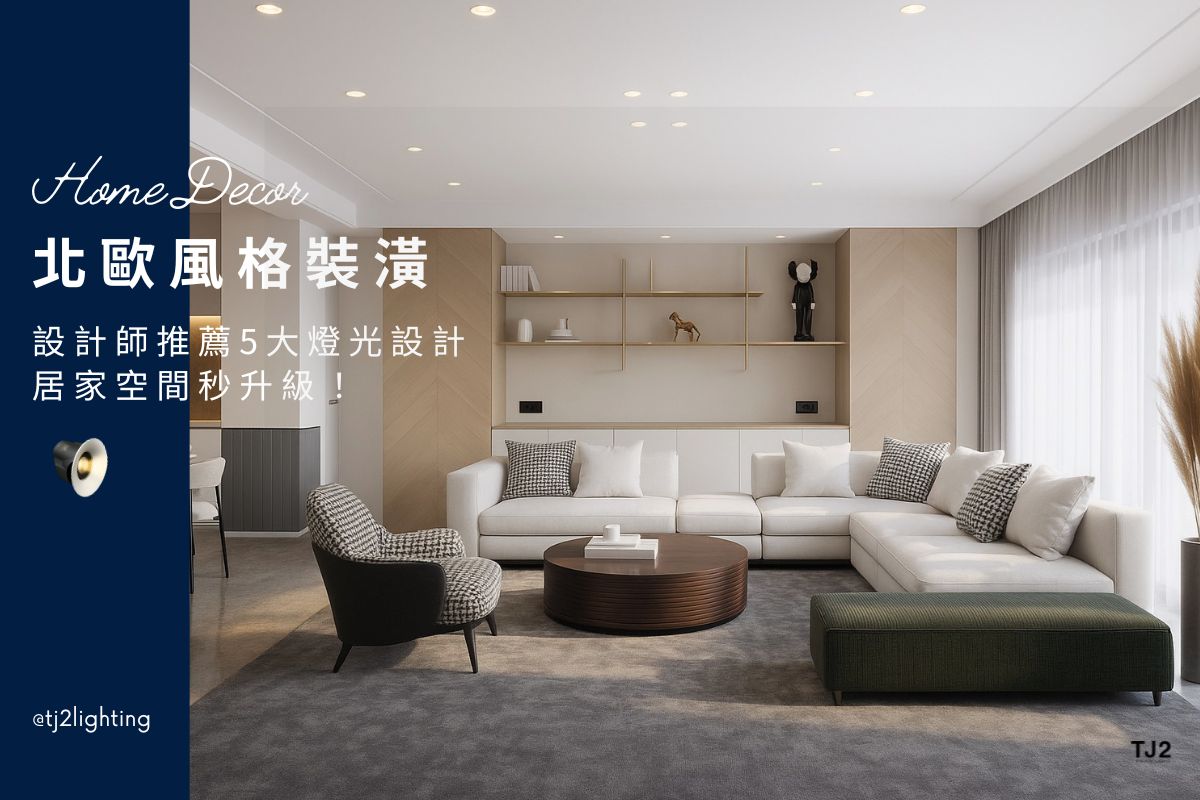
北歐風格裝潢|設計師推薦5大燈光設計技巧,居家空間秒升級!
北歐風格裝潢以「簡約、自然、舒適」聞名,近年來成為許多人心目中最理想的居家選擇。這種風格以純淨色彩、俐落線條與天然材質為基礎,營造出清新卻溫潤的生活氛圍。然而,許多在規劃北歐風居家的人,往往將重點放在家具挑選與軟裝搭配,卻忽略了燈光設計在其中的關鍵作用。即使選擇了再精緻的家具,如果缺少合宜的燈光襯托,整體氛圍也難以達到理想的效果。專業的室內設計師都知道,燈光設計並非只是單純的照明,它同時是塑造層次感、氛圍感與立體感的重要元素。透過妥善的燈光規劃,北歐風格裝潢能更具美感與舒適度,讓居住者在不同時間都能享受最佳的空間氛圍。
TJ2 Lighting 東捷生活科技 | LED照明解決方案領導品牌 | 照明設計公司 | 深耕台灣,逐鹿全球
TJ2 Lighting 專注於室內、商業和戶外照明,包含LED崁燈、吸頂筒燈、軌道燈、投射燈、壁燈、埋地燈/地底燈、戶外柱燈/庭園燈和LED光源模組等,提供多種樣式燈具以及客製化服務。TJ2 Lighting擁有一條龍的MIT產銷體系,能夠提供給客戶最及時、彈性的照明解決方案,以及優質的照明設計服務。
身為台灣LED照明解決方案領導品牌,團隊具有多年內銷、外銷經驗,與國內知名品牌業者、室內設計師均有合作,並致力於提供完整的照明產品與照明設計服務,以達到最大的客戶滿意。